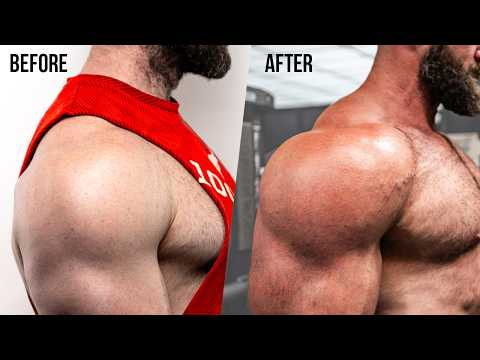
This article explores the complexities of training the anterior and lateral deltoids, highlighting common mistakes and providing science-backed exercises to optimize shoulder development. It emphasizes the importance of proper biomechanics and muscle engagement for effective workouts.
Training the anterior and lateral deltoids can be particularly challenging for many fitness enthusiasts. This article delves into common mistakes made during shoulder workouts and presents scientifically supported exercises to enhance shoulder development.
The deltoid muscle consists of three heads: the anterior (front), lateral (side), and posterior (rear). Among these, the anterior and lateral heads are often the most difficult to train effectively. Many individuals perform shoulder exercises incorrectly, leading to suboptimal results.
Ineffective Range of Motion
A prevalent issue is starting shoulder presses with the anterior deltoid already in a shortened position. This not only limits the effectiveness of the exercise but can also lead to injury.
Incline Variations for Lateral Head
Many trainers recommend incline variations for targeting the lateral head, but these exercises often engage the rotator cuff muscles more than the deltoids themselves.
Misunderstanding Muscle Engagement
Research indicates that the initial phase of arm abduction primarily involves the rotator cuff muscles, particularly the supraspinatus, rather than the deltoids. This misconception leads to ineffective training strategies.
To optimize shoulder training, it is essential to focus on exercises that effectively engage the deltoids while minimizing the involvement of other muscle groups.
Front raises are commonly used to target the anterior deltoid. However, studies suggest that the clavicular head of the pectoralis major is more effective in this movement. To improve the effectiveness of front raises:
The classic shoulder press is often performed incorrectly, leading to poor engagement of the anterior deltoid. To enhance this exercise:
Side lateral raises are essential for developing the lateral deltoid, but they can lead to shoulder impingements if not performed correctly. To optimize this exercise:
Training the anterior and lateral deltoids requires a nuanced understanding of biomechanics and muscle engagement. By avoiding common mistakes and implementing science-backed exercises, individuals can significantly improve their shoulder training results. Whether using cables, dumbbells, or machines, focusing on proper form and muscle alignment is crucial for effective shoulder development.
Incorporating these techniques into your workout routine can lead to better muscle growth and overall shoulder health, ensuring that your efforts in the gym yield the best possible results.