Researchers have discovered the physics of creating the perfect pasta sauce, focusing on the emulsion of fat and water. Their findings reveal the importance of starch in maintaining sauce stability, leading to a creamy texture. This work earned them the Ignobbell Prize, highlighting the intersection of culinary art and scientific inquiry.
In a delightful intersection of culinary art and scientific inquiry, scientists have cracked the code to creating the perfect pasta sauce, earning them this year's prestigious Ignobbell Prize. The dish in focus is Kacier Pepe, a minimalist Italian recipe that combines just three ingredients: pecorino cheese, black pepper, and pasta. While this dish has the potential to be delicious, it often results in a culinary disaster when the cheese sauce splits, leading to a greasy puddle of rubbery curds. This blog post delves into the scientific discoveries that can help prevent such kitchen catastrophes.
Kacier Pepe is a simple yet elegant dish that relies heavily on the perfect emulsion of its ingredients. The challenge lies in the fact that oil and water do not mix, making the balance of these components fragile. When the sauce fails, it can leave cooks frustrated and food wasted. To address this issue, physicist Frizzio from IST Austria and his colleagues turned to the principles of physics for a solution.
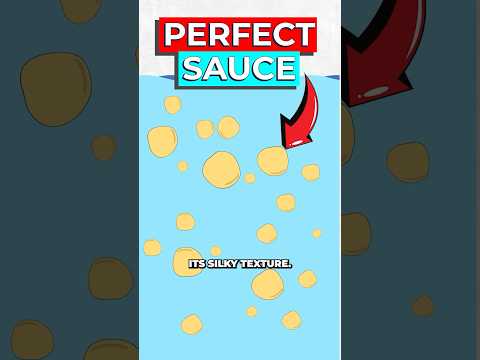
The secret to a successful pasta sauce lies in understanding emulsions. An emulsion is a mixture of tiny droplets of fat suspended in water, which gives the sauce its desired silky texture. However, maintaining this emulsion is tricky, especially when cooking with cheese. The researchers discovered that when the temperature exceeds 65° C, the casein proteins in pecorino cheese begin to denature. This process causes the proteins to unravel and knot together, which can lead to the clumping of fat and the collapse of the emulsion.
To keep the emulsion stable, emulsifiers are essential. These molecules can interact with both polar water and non-polar fat, effectively bridging the gap between the two. Traditionally, chefs have relied on starch that leaches out of pasta as it cooks. This starch is primarily water-loving but can curl into helical shapes with tiny hydrophobic pockets that trap fat molecules, helping to keep them dispersed in water.
Despite the theoretical benefits of starch, the practical application can be inconsistent. The concentration of starch in pasta water can vary significantly, often leading to insufficient amounts to maintain a stable emulsion. This inconsistency prompted the researchers to explore a more reliable method.
To better understand how proteins and starches interact in pasta sauce, the researchers employed image analysis to construct a phase diagram. This diagram illustrates the optimal conditions for creating a stable emulsion. Their findings led to a practical solution: creating a stabilizing solution from corn or potato starch and adding it to the pan alongside the pasta water.
The researchers identified a specific range for starch concentration that is crucial for maintaining the emulsion. They found that a starch concentration of 2 to 3% by weight of cheese is ideal. If the concentration is too low, the emulsion risks collapsing; if it is too high, the mixture can gel into a thick paste. Within this narrow range, the starch effectively coats the proteins and fat droplets, resulting in a stable colloid that keeps the sauce creamy and delicious.
The groundbreaking work of these physicists not only enhances our understanding of culinary science but also provides practical solutions for home cooks and chefs alike. Their research into the physics of pasta sauce has earned them the Ignobbell Prize, a testament to the importance of blending scientific inquiry with everyday cooking. As we celebrate this achievement, one can only hope that future studies will tackle other culinary mysteries, such as the perplexing phenomenon of squeaky scrambled eggs.
If you appreciate the fusion of science and gastronomy, consider following this journey of exploration and discovery in the culinary world.