Packing light is achievable by avoiding seven common mistakes: ignoring weight, choosing the wrong bag, overpacking clothes, packing directly into the bag, filling the bag completely, underestimating toiletries, shoes, and tech, and packing just-in-case items. Adopting intentional packing habits and reviewing your packing list after each trip can transform your travel experience.
Have you ever seen travelers managing to travel with just one bag and thought it was impossible for you? You're not alone. Many assume that one-bag travel requires expensive gear, a minimalist lifestyle, or sacrificing essentials. This often leads to overpacking, lugging heavy bags, or realizing you used only half of what you brought.
The truth is, packing light isn't about extreme minimalism but about avoiding common mistakes that cause you to bring more than necessary. Here are the seven biggest mistakes that keep people from packing light, along with strategies to help you fit everything you need into a single backpack.
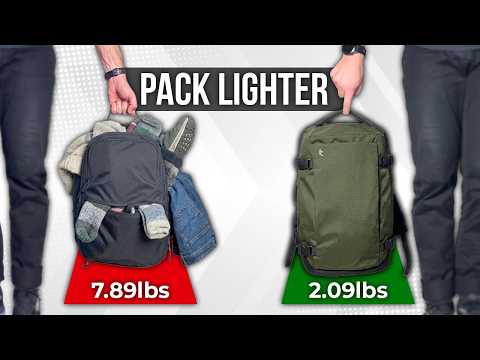
Many travelers focus only on whether items fit in their bag, ignoring the weight they carry. Every item has a cost in weight, which you carry through airports, streets, and hotels. This includes shoes, jackets, toiletry bags, camera gear, electronics, and even the backpack itself.
A key mindset shift is to ask yourself before packing: How often will I use this? Is the benefit worth the weight? If not, leave it behind. For example, choose a lightweight puffy jacket over a heavy cotton sweatshirt if it offers the same or better functionality.
This mindset starts when buying travel gear. Lighter, versatile gear makes traveling with less easier. Evaluating your packing list by weight rather than space helps eliminate unnecessary items.
Bigger bags often lead to bigger packing lists because more space tempts you to fill it. Start with the smallest bag that fits your travel style. A backpack that fits under the airplane seat (personal item size) forces intentional packing.
Check airline size requirements carefully, especially for budget airlines with stricter limits. Also, consider the backpack's weight; some bags weigh twice as much as others with similar capacity.
Organization is crucial. A well-organized smaller backpack with quick access pockets and multiple access points makes packing and finding items easier.
For example, the Tom Toc Navigator T66 backpack (28L version) is ideal for weekend trips, fits personal item dimensions, opens clamshell style for easy access, has TSA-compliant laptop storage, multiple pockets, and is made from lightweight, durable materials.
Quality matters since this bag carries all your essentials. Durable zippers and PFAS-free polyester extend its life. Investing in a quality backpack is worthwhile.
Overpacking clothes is a common mistake. Each extra shirt or pair of pants seems reasonable individually but adds up quickly.
Instead, focus on packing versatile clothes that mix and match well, preferably in neutral colors. Prioritize low-maintenance materials like merino wool that dry quickly and resist wrinkles.
Create a capsule wardrobe with enough variety but minimal items. Choose multi-purpose clothing, such as a lightweight button-up that can be casual, layered, or dressed up.
Don't be afraid to rewear clothes. Many items can be worn multiple times before washing. For trips longer than a week, plan to do laundry instead of carrying extra clothes.
Packing items into your bag as you think of them leads to overpacking and disorganization.
Lay everything out before packing. This helps you spot duplicates and unnecessary items. Ask yourself, "What can I remove?" rather than "What can I add?" Most often, you can remove one or two items without missing them.
The goal is to bring exactly what you need, not to fill your bag.
Even experienced travelers can fall into the trap of filling every inch of space.
If you have extra room, resist the urge to add more items "just in case." Empty space is valuable; it makes packing and unpacking easier, allows room for items acquired during travel, and keeps your bag lighter.
Packing cubes can help organize your bag efficiently. Use compression cubes to reduce clothing volume, but not to justify bringing more clothes. Dual compartment cubes separate clean and dirty clothes without extra bags.
Choose water-repellent, odor-resistant, and durable packing cubes for longevity.
Many focus on clothes but overlook the weight and bulk of toiletries, shoes, and tech.
Audit these categories carefully to save space and weight.
Packing for every possible scenario leads to overpacking. "Just in case" items multiply endlessly.
Instead, pack for the most likely situations based on your itinerary, weather, and planned activities. If you think, "I'll bring this just in case," leave it behind unless it's essential like medication.
If you forget something, you can usually buy it at your destination unless traveling to extremely remote areas.
After each trip, spend five minutes reviewing what you packed. Ask yourself:
Experienced travelers improve by learning from each trip. Use this feedback to refine your packing list.
Packing light is about being intentional with your clothes, gear, shoes, and just-in-case items. Most travelers don't need more space but a better system. Avoid these seven mistakes, and traveling with one bag will become easier than you think.
What is the hardest thing for you to leave out when packing? Shoes, camera gear, toiletries, or too many clothes? Share your thoughts and experiences to help others pack smarter.
Remember, the goal is to bring what you need and nothing more, making your travel lighter, easier, and more enjoyable.