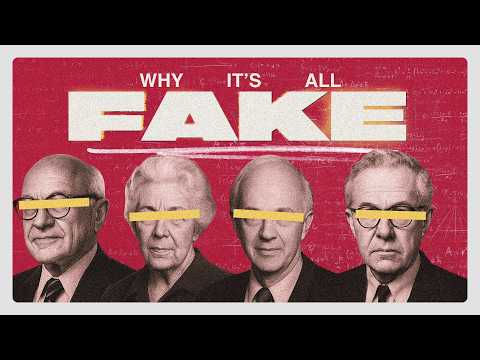
This blog post explores the complex relationship between economists and society, questioning their predictions and the impact of their theories. It argues that economists often serve the interests of the wealthy, shaping policies that exacerbate inequality rather than providing unbiased insights into the economy.
Economists have a complicated reputation, especially in the United States, where they are often criticized for their inaccurate predictions yet remain a staple in discussions about economic events. This blog post delves into the role of economists, their predictions, and the implications of their theories on society.
In the U.S., there exists a love-hate relationship with economists. While many people disagree with their assessments, they still turn to them for insights during economic events. For instance, in 2022, a significant majority of economists predicted a recession for 2023, which ultimately did not materialize. Instead, GDP growth exceeded expectations, highlighting the frequent inaccuracies in economic forecasting.
Economists often claim their job is to explain how the world works. However, a deeper examination reveals that their true role may be to represent the world as they wish it to be. This perspective raises questions about their alignment with the interests of the general public versus those of the wealthy elite.
Economists have a track record of making predictions that do not come to fruition. For example, many Nobel Prize-winning economists misjudged inflation trends, predicting mild inflation before it surged to a 20-year high. This inconsistency raises doubts about their reliability and the validity of their models.
At the core of the issue is the foundational premise of economic theory. Economists often operate under the assumption that they possess a neutral understanding of capitalism and the economy. However, this perspective is flawed. Economists do not merely study the economy; they actively shape it through their theories and recommendations.
Economists frequently create frameworks that serve the interests of the wealthy. A historical example is John D. Rockefeller's investment in the University of Chicago, which became a breeding ground for influential economists like Milton Friedman. These economists have shaped mainstream economic thought, often prioritizing the interests of the rich over the needs of the poor.
Economic theories, such as supply and demand, are often presented as universal truths. However, they oversimplify complex realities and ignore the myriad factors that influence pricing and market behavior. For instance, the pricing of products is not solely determined by supply and demand but is influenced by various factors, including marketing strategies and consumer perceptions.
Economists often conduct experiments to test their theories, but these experiments can have devastating real-world consequences. The Chicago Boys, a group of economists from the University of Chicago, advised the Chilean dictator Augusto Pinochet, implementing neoliberal policies that led to widespread suffering and inequality.
The Chicago Boys implemented a series of economic reforms in Chile that prioritized privatization and deregulation. While these policies eventually led to GDP growth, they also resulted in significant social upheaval, with increased poverty and inequality.
Another example is the Urban Property Rights Project in Peru, which aimed to increase credit access for the poor through property titling. However, the initiative failed to produce the desired outcomes, often exacerbating the plight of the poor instead.
The overarching theme is that economic growth, as defined by economists, often translates to increased inequality. Economists frequently justify policies that benefit the wealthy while neglecting the adverse effects on the poor. This dynamic raises critical questions about the ethical implications of economic theories and the motivations behind them.
In conclusion, the relationship between economists and society is fraught with complexities. Their predictions are often unreliable, and their theories can serve to perpetuate inequality rather than alleviate it. As such, it is essential to approach economic advice with skepticism and to recognize that economists may not always have the public's best interests at heart. Trusting economists without question can lead to policies that exacerbate social and economic disparities, making it crucial for society to critically evaluate their influence and the implications of their work.