Sleeping position significantly impacts heart health, brain detoxification, and longevity. Side sleeping optimizes brain waste removal and reduces cardiovascular risks, while back sleeping can exacerbate sleep apnea and heart issues. Light exposure at night and irregular sleep schedules also increase heart attack risks. Simple lifestyle changes like extra sleep minutes, brisk walking, and more vegetables can reduce heart attack and stroke risk by 57%.
Do you sleep on your back, side, or stomach? The position you choose each night could have profound effects on your heart health, brain function, and even your lifespan. Sleep is not just about closing your eyes and resting; it is the body's critical maintenance period where the brain cleanses itself, the heart rests, hormones reset, and the body rebuilds.
Neurologist Rachel Sales from Johns Hopkins compares choosing your sleep position to the story of Goldilocks: some positions are too hard, some too soft, and some just right. This choice directly affects how your brain removes neurological waste through the glymphatic system. During sleep, the brain shrinks by up to 60%, flushing out toxins accumulated during the day. This cleaning process is optimized when you sleep on your side, either left or right, as gravity and spinal alignment help drain toxic waste effectively.
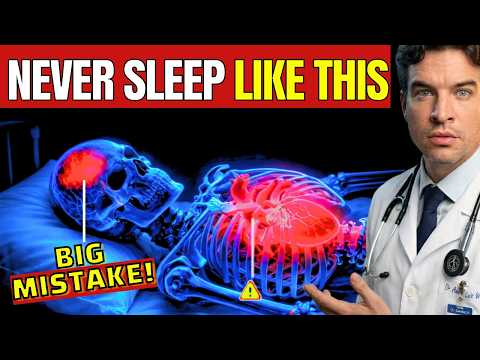
Sleeping on your back, often considered a supreme position, can be detrimental, especially for those with sleep apnea. When lying on your back, gravity causes the tongue and soft tissues to block the airway, leading to snoring and oxygen deprivation. This triggers heart arrhythmias, spikes blood pressure, and increases the risk of stroke and silent heart attacks. This nightly cardiovascular stress can severely damage your heart over time.
Heart Failure: Patients with heart failure should avoid sleeping on their left side because it causes the heart to press on the lungs, leading to shortness of breath and valve overload. The right side is preferred.
Gastroesophageal Reflux Disease (GERD): Sleeping on the left side benefits those with acid reflux by using gravity to keep stomach acid down, reducing heartburn.
Pregnancy: Pregnant women benefit from sleeping on their left side to avoid compressing the inferior vena cava, the largest vein in the body, which runs on the right side. This compression can reduce blood flow to the heart and baby.
If you tend to roll onto your back during sleep, a simple trick is to sew a pocket on the back of your pajamas and place a tennis ball inside. The discomfort will encourage you to return to your side without waking fully.
Exposure to light during sleep increases the risk of heart attack by up to 50%. Even dim light from TVs, phone chargers, or streetlights disrupts your circadian rhythm by suppressing melatonin production, leaving your body in a state of mild alertness and inflammation. Research analyzing nearly 90,000 people found that sleeping in a room with more light increased cardiovascular disease risk by 47%.
The solution is to create a pitch-black sleeping environment using blackout curtains and eliminating all light sources. If a night light is necessary, use red or amber light instead of blue or white.
Social jet lag, where your sleep schedule varies significantly between weekdays and weekends, increases heart attack and stroke risk by 26%, even if you get the recommended 7 hours of sleep.
Regarding sleep duration, the optimal amount is between 7 and 8 hours per night. Sleeping less than 7 hours increases death risk by 14%, while sleeping more than 9 hours increases it by 34%. However, long sleep duration is often a symptom of underlying health issues such as depression, inflammation, obesity, hypothyroidism, or undiagnosed sleep apnea.
Chronic poor sleep can age your brain by 4 years and accelerate damage in individuals carrying the APOE E4 gene, a major genetic risk factor for Alzheimer's disease. Good sleep is a primary defense against dementia.
Recent research categorizes people into five genetic sleep subtypes, each with unique characteristics and health risks:
Teenagers naturally have delayed biological clocks, needing more sleep and later schedules.
A study of over 50,000 people identified a "golden combo" of easy changes:
Morning sunlight exposure resets your internal clock and signals your brain to prepare melatonin production for the night. Avoid spending all day under artificial light and reduce screen time at night to maintain a healthy circadian rhythm.
Sleeping well is not a luxury but a vital component of health. Side sleeping, darkness, regular schedules, and small lifestyle changes can dramatically reduce your risk of heart attack, stroke, and cognitive decline. Start implementing these changes today and experience improved energy, mood, and longevity.
Remember, good sleep is the best preventive medicine available and it is completely free.
My name is Dr. Andre Wir, a cardiologist dedicated to sharing real science-based health tips. Share this information with your loved ones and take the first step towards better sleep and a healthier heart today.