The cowgirl position is widely preferred by women due to its unique anatomical and physiological advantages. It allows women to control depth, angle, and pace, providing direct stimulation to responsive areas, improved blood flow, and emotional connection. Variations of the position accommodate different preferences and physical needs, making it adaptable across life stages and beneficial for both partners.
Among the many sexual positions couples explore, the cowgirl position consistently stands out as one of the most reliably preferred by women. This preference is not merely about personal taste but is deeply rooted in biological and anatomical factors that create specific physical conditions to which the female body naturally responds.
The cowgirl position involves the woman sitting or kneeling on top of the man, who lies on his back. She faces him and supports her body weight with her own legs rather than relying on her partner. This position gives the woman full control over the depth, angle, pace, and rhythm of the movement.
This control is crucial because female anatomy varies significantly among individuals. The internal structures, most responsive zones, and optimal angles for sensation differ from woman to woman. When the woman controls the movement, she can naturally find the angles that best suit her anatomy.
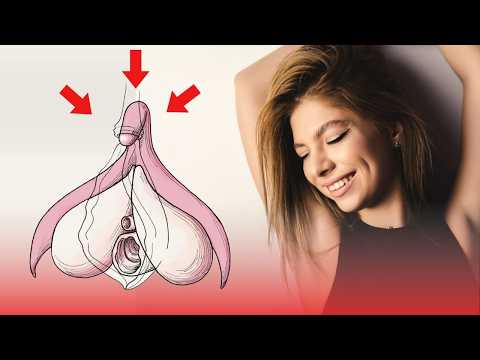
When the woman is on top, gravity and the angle of contact create sustained pressure on the most sensitive external areas. Research shows that direct external stimulation is the most reliable path to female climax. The cowgirl position naturally facilitates this contact without extra effort from either partner.
The female reproductive system has a curved internal structure, with the most responsive zones located on the front wall. By leaning forward or backward, the woman can adjust the angle of penetration precisely to target these zones. No other position offers this level of fine angle control.
Female arousal builds gradually and requires a consistent rhythm. Controlling the pace allows the woman to maintain the exact rhythm her body responds to, slowing down, speeding up, or pausing as needed without breaking the connection. This rhythmic control is not possible when the partner controls the movement.
In the cowgirl position, the woman is not pressed down upon by her partner, who lies flat and fully supported by the bed. Her own legs support her body weight. This is medically significant for women with back pain, joint pain, or conditions that make pressure on the abdomen or chest uncomfortable.
Sitting upright or leaning forward supports healthy blood flow to the pelvic region, which translates into stronger physical responses.
Facing her partner allows the woman to see his face, share kisses, hold hands, and maintain eye contact. Emotional engagement is medically significant because female arousal is strongly connected to emotional state. Feeling connected supports the biological response.
The woman sits straight up on top with hands on her partner's chest or her thighs. This standard form offers the strongest direct stimulation and full visual engagement but is the most physically demanding as she supports her own weight.
Leaning forward with hands resting on the partner’s body reduces physical demand on the legs and creates a different internal angle that many find highly pleasurable. It also brings faces close for kissing and emotional connection.
Facing away from the partner changes the internal angle completely, providing a different sensation. However, it removes emotional eye contact, which is why many women prefer the forward-facing version.
The partner sits up against pillows or a headboard while the woman sits on top facing him. This variation allows full body contact and is often favored by long-term couples for its intimacy and controlled angle.
For Women Over 50: Natural lubrication decreases and sensitivity to angles changes. Control over depth and pace becomes more important. Using a quality water-based lubricant can enhance comfort during longer sessions.
For Men: The position reduces physical demands, beneficial for men with back, knee, or joint issues. It also supports stamina since the man lies still while the woman controls movement.
Adaptability: Pillows can support the man’s lower back, and cushions can support the woman’s knees if kneeling on a firm surface, making the position adaptable for various health conditions.
Feeling Self-Conscious: Some women feel self-conscious due to visibility. Adjustments like lower lighting, music, wearing a loose top, or holding hands can provide emotional grounding.
Thigh Fatigue: Supporting body weight can tire leg muscles. Switching between upright and forward-leaning variations and regular light exercise can help build strength.
Transition Awkwardness: Communication and practice make transitions into and out of the position natural and effortless over time.
The cowgirl position offers six scientifically backed benefits:
Its variations provide flexibility for different couples and body types, and adjustments make it suitable across all life stages. This position supports both physical comfort and emotional intimacy, making it a preferred choice for many women.
Understanding the science behind this position can enhance couples’ intimacy and satisfaction. Open communication, mutual comfort, and genuine care remain the foundation for a fulfilling sexual relationship.
If you found this information helpful, consider exploring further discussions on intimacy and health to deepen your connection and well-being.