This blog post explores the pitfalls of consuming mental health content without taking actionable steps towards improvement. It discusses the false sense of well-being that can arise from binge-watching videos, the importance of applying learned concepts, and the need for critical thinking in the face of overwhelming information.
In today's digital age, many individuals turn to online content for guidance on mental health. However, this reliance can lead to a false sense of well-being, as illustrated by a personal account of someone whose partner struggled with severe mental health issues while consuming mental health content without taking actionable steps. This blog post delves into the complexities of consuming mental health content and the importance of applying learned concepts to foster real change.
The tendency to downvote or cancel opposing views creates echo chambers, where individuals fail to question their beliefs. This phenomenon can lead to stagnation in personal growth and understanding. The story shared highlights how one individual consumed a significant amount of mental health content but ultimately did not engage with it in a meaningful way, leading to a worsening of their mental health.
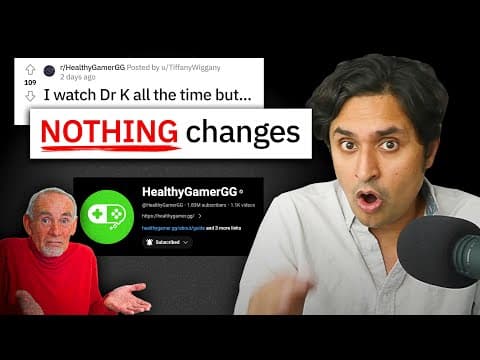
The individual in the story noted that their ex-boyfriend felt a false sense of wellness from watching Dr. K's content. Despite consuming valuable information, he neglected to seek professional help or apply any of the advice provided. This situation underscores a critical issue: watching mental health content can create an illusion of progress without any real change.
As people recognize their mental health struggles, they often seek out content that promises solutions. However, the mind can easily deceive itself into believing that watching videos is equivalent to making progress. This mindset can lead to a cycle of passive consumption, where individuals feel they are improving simply by engaging with content, rather than taking the necessary steps to address their issues.
To combat this passive consumption, coaching programs have been developed to help individuals make tangible progress in their lives. These programs emphasize the importance of understanding oneself and taking actionable steps towards improvement. The goal is to facilitate real change within a structured timeframe, rather than relying solely on content consumption.
One of the key takeaways from the discussion is that information alone does not lead to behavioral change. While watching videos can provide insights, it is the application of these insights that truly matters. For instance, binge-watching content on sleep hygiene without implementing any changes in sleep habits will not yield positive results.
To make the most of mental health content, viewers should engage with it critically. This involves asking oneself why they are consuming the content and whether they are genuinely seeking to apply the information. Here are some strategies to enhance engagement:
In a world inundated with information, critical thinking is essential. Many individuals consume content passively, surrendering their capacity for independent thought. This can lead to confusion and a lack of progress, as people fail to apply what they learn. It is crucial to actively engage with content and think critically about its implications for personal growth.
While mental health content can provide valuable insights, it is vital to recognize that watching videos alone will not lead to significant change. Individuals must take proactive steps to apply what they learn and seek professional help when necessary. By fostering a mindset of critical engagement and accountability, viewers can transform their consumption of mental health content into a powerful tool for personal growth and improvement. Remember, just as watching workout videos won't make you fit, consuming mental health content without action won't lead to better mental health.