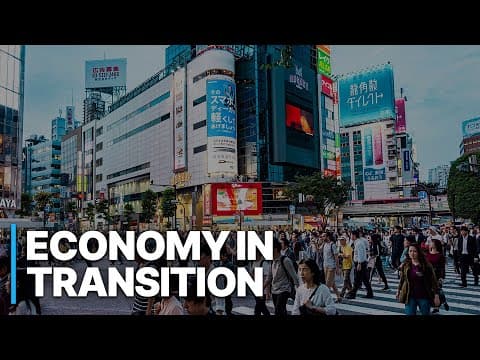
As major economies face aging populations, the demographic time bomb poses significant challenges and opportunities. Countries like Italy, Germany, Japan, and China are grappling with shrinking workforces, while nations in Africa and Southeast Asia are entering demographic sweet spots. The choices made regarding immigration, retirement age, and workforce management will determine the future economic landscape and global power dynamics.
The world is witnessing a demographic shift that could have profound economic and social consequences. Major economies such as Italy, Germany, Japan, and China are facing the challenges of aging populations and shrinking workforces. This blog post explores how these demographic changes are reshaping global economies and the potential strategies nations can adopt to navigate these challenges.
Demographics play a crucial role in determining a country's economic future. The balance between young and old workers, as well as retirees, can significantly influence economic growth. Countries with a higher proportion of working-age individuals tend to experience more robust economic growth. For instance, the United States has maintained its global leadership partly due to its favorable demographic profile.
The global population has doubled twice in the 20th century, increasing from 3.3 billion in 1965 to approximately 7.3 billion today. However, this growth is accompanied by an aging population. The average age of individuals worldwide is projected to rise from 32 at the beginning of this decade to 42 by the end of the century. By 2035, it is estimated that 1.1 billion people will be over the age of 65.
As populations age, the number of consumers increases while the number of producers decreases. This shift can lead to slower economic growth, as fewer workers are available to generate wealth. Additionally, older populations tend to save less and spend more, which could drive up interest rates in the coming decades. Former Bank of England economist Charlie Bean suggests that we are at an inflection point where demographic pressures will begin to push interest rates upward.
While many developed nations face challenges due to aging populations, countries in Africa and Southeast Asia are entering a demographic sweet spot. Nations like India are experiencing a surge in their working-age populations, which can support economic growth. In 2016, India was projected to be one of the fastest-growing economies in the world, driven by favorable demographic factors.
Conversely, mature economies, particularly in Europe, are grappling with complex demographic issues. Countries like Italy and Germany are facing significant debt burdens exacerbated by shrinking workforces. As the workforce declines, the sustainability of national debts becomes increasingly precarious.
To address the challenges posed by aging populations, countries must consider immigration as a potential solution. However, this raises questions about cultural integration and the impact on national identity. Nations with aging populations must balance the need for younger workers with the potential for cultural shifts that immigration may bring.
Japan is already experiencing a population decline, with projections indicating a drop from 127 million to as low as 52 million by the end of the century. The country faces unique cultural challenges that hinder flexibility in the workforce, particularly regarding the participation of women and younger workers.
China, on the other hand, has grappled with demographic crises for decades. The one-child policy, implemented to control population growth, has led to a fertility rate below the replacement level. By 2025, it is estimated that 360 million Chinese will be over the age of 60, creating significant social and economic challenges. The Chinese government has recently abandoned the one-child policy, but the effects of past decisions will linger for years.
As demographic trends shift, income inequality is becoming a pressing issue. The wealthiest individuals hold a disproportionate amount of global wealth, leading to social unrest and economic instability. In the United States, for example, the average income of the top 1% is now 30 times that of the average worker, compared to just 10 times in 1978.
Extreme levels of inequality can stifle economic growth, as wealth concentration limits consumption and investment. Economists warn that without addressing income inequality, the social fabric of nations could fray, leading to political unrest and instability.
The demographic time bomb presents both challenges and opportunities for nations worldwide. Countries must adapt to the realities of aging populations and shrinking workforces while also addressing the pressing issue of income inequality. The choices made today regarding immigration, workforce management, and economic policy will shape the global balance of power for decades to come. As we navigate these demographic shifts, proactive and inclusive policies will be essential for ensuring sustainable economic growth and social cohesion in the future.