A recent report by Oxfam reveals that the UK extracted approximately $64.8 trillion from India during colonial rule, significantly impacting India's economy and wealth distribution. The report highlights the stark contrast between the growing wealth of billionaires and the stagnant poverty levels in India, raising questions about trust in government and the need for reparations.
In recent news, a significant report has emerged regarding the economic impact of colonialism on India. This report, released by Oxfam, has been covered by various newspapers, including the Statesman, Business Standard, and Morning Standard, each providing different perspectives on the findings. The report sheds light on the staggering amount of wealth extracted from India by the British during their colonial rule, which has profound implications for understanding historical injustices and current economic disparities.
According to the authors of the report, U.T. Patnayak and Praak, the UK extracted an estimated $64.8 trillion from India over a century of colonialism. This figure is a significant increase from previous estimates, which suggested that around $44.6 trillion was taken. The report highlights that $33.8 trillion of this wealth went to the richest 10% of the population in England, primarily those involved with the East India Company and the British government in India.
The report provides a historical backdrop to these figures, noting that in 1750, the Indian subcontinent accounted for approximately 25% of the global industrial output. However, by 1900, this figure had plummeted to a mere 2%. This dramatic decline can be attributed to Britain's stringent production policies against Asian textiles, which systematically dismantled India's industrial capabilities. The contributions of historians like Bin Chandra are acknowledged for their detailed analysis of this economic exploitation.
The Oxfam report also draws attention to the broader implications of this wealth extraction. While the number of billionaires globally increased by $2 trillion in 2024, with 204 new billionaires created, the wealth gap continues to widen. The report indicates that the low-income population in India has seen little improvement since 1990, raising concerns about the effectiveness of economic policies in addressing poverty.
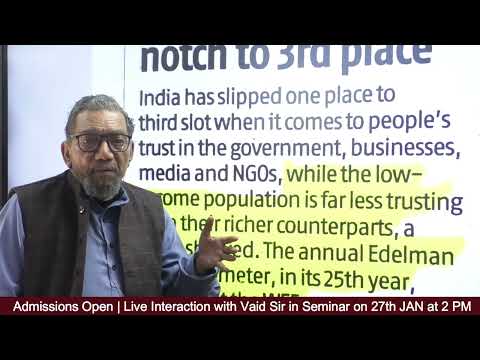
Another critical finding of the report is the decline in public trust in the Indian government. India has slipped to the third position in terms of public trust, with citizens expressing greater confidence in foreign companies than in their own government. This shift in trust dynamics reflects broader concerns about governance and accountability in addressing the needs of the population.
The report concludes with a call for the Indian government to demand reparations from Britain for the wealth that was taken during colonial rule. This demand is not merely about financial restitution but also about acknowledging the historical injustices that have shaped the current economic landscape.
The Oxfam report serves as a crucial reminder of the long-lasting effects of colonial exploitation on India's economy and society. As the wealth of billionaires continues to grow, the persistent poverty among the low-income population highlights the urgent need for systemic change. Addressing these historical grievances is essential for fostering trust in government and ensuring a more equitable future for all citizens.