This blog post explores the economic implications of an aging population, focusing on the rising costs of caregiving, the challenges faced by older individuals in the workforce, and potential solutions to address these issues. It emphasizes the need for policy changes and community support to ensure financial security for the elderly.
As we navigate through the complexities of modern society, one pressing issue stands out: the economics of aging. With a growing number of older individuals and fewer younger people to support them, the financial implications are significant. This blog post delves into the economic challenges associated with aging, the rising costs of caregiving, and potential solutions to ensure a secure future for our elderly population.
In recent discussions, the focus has shifted towards the economic well-being of older adults. The increasing number of seniors, coupled with a declining birth rate, presents a unique challenge for governments and families alike. The financial burden of caregiving is becoming more pronounced, as many families struggle to provide adequate support for aging relatives.
Caregiving for older adults can be incredibly costly. In the United States alone, approximately $330 billion is spent annually on caregiving services, with a significant portion directed towards the service aspect of care. For many families, this means that if they cannot afford professional help, they must shoulder the responsibility themselves. This often results in lost income and career stagnation for those who take time off work to provide care.
The emotional and physical toll of caregiving can lead to increased stress and mental health issues, further complicating the situation. As the population ages, the demand for caregiving services will only continue to rise, necessitating urgent attention to this issue.
The economic implications of an aging population are multifaceted. As the number of retirees increases, the dependency ratio—the ratio of working-age individuals to retirees—shifts unfavorably. This shift places a heavier burden on the working population to support social security and healthcare systems.
Older individuals often face significant challenges in the workforce. Many are expected to work longer, yet they may struggle to adapt to new technologies and demanding work environments. The reality is that a substantial portion of older adults rely solely on social security, which may not be sufficient to cover their living expenses.
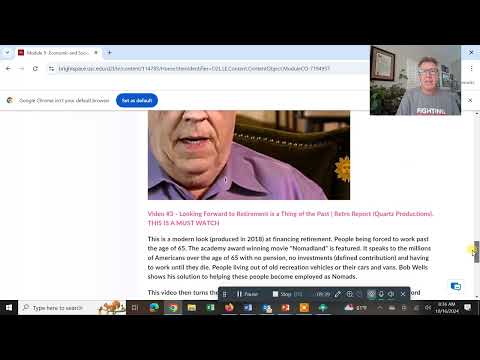
The situation is exacerbated by the fact that many older adults have little to no savings or investments. Reports indicate that nearly half of Americans over 60 have no investments, leaving them vulnerable to economic instability.
Addressing the economic challenges of aging requires a multifaceted approach. Policymakers must consider strategies to support families and individuals as they navigate these issues. Some potential solutions include:
To illustrate the real-life implications of these economic challenges, consider the following case studies:
The economics of aging is a pressing issue that requires immediate attention from policymakers, communities, and families. As the population continues to age, it is crucial to develop strategies that support financial security for older adults. By addressing the challenges of caregiving, workforce participation, and economic sustainability, we can create a more equitable society for all generations.
As we approach the upcoming elections, it is vital to advocate for policies that prioritize the needs of our aging population. Together, we can work towards solutions that ensure a dignified and secure future for everyone.