This blog post explores the intricate process of tablet manufacturing in the pharmaceutical industry, detailing the essential ingredients, engineering techniques, and technological advancements that ensure the production of effective and safe medications.
Each year, billions of drugs are produced by pharmaceutical companies worldwide, with tablets being one of the most common forms. This blog post delves into the complex engineering processes and precise ingredient combinations required to manufacture tablets, ranging from common pain relievers like paracetamol and ibuprofen to specialized medications for conditions such as cancer and HIV.
The formulation of a tablet involves several key ingredients, each serving a specific purpose:
Once the ingredients are gathered, they undergo a mixing process. The powders are tumble blended to ensure an even distribution of all components. In some cases, granulation is required to further combine the ingredients, maintaining the correct ratios throughout the manufacturing process. This involves using a granulator, where a binding solution helps form granules from the blended powders.
After granulation, the mixture is subjected to a milling stage, followed by a fluid bed dryer. This step is critical for evaporating excess moisture without reverting the mixture back to powder form. The careful control of moisture content is essential for the quality of the final product.
The next step is the actual tablet formation, which is accomplished using a tablet press. This machine consists of a rotating cylinder with plates that contain holes, known as dies. Each die is equipped with two punches—one above and one below. The drug mixture fills each hole, where it is compressed by the top punch and then ejected by the bottom punch. The uniformity of the tablets is ensured by filling each die to capacity, with some machines capable of producing up to 130,000 tablets per hour.
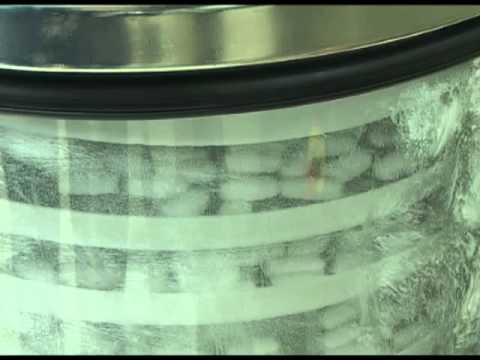
After the tablets are formed, many undergo a coating process. This step is akin to using a tumble dryer, where a liquid coating is sprayed onto the tablets as they are tumbled. Coating serves multiple purposes:
Once the tablets are coated, they are ready for packaging. The machinery used in this process has remained relatively unchanged over time. However, the future of tablet manufacturing lies in advancements in technology that enhance process understanding and control. Collecting data during production is becoming increasingly important to ensure consistent quality and to facilitate future developments in pharmaceutical manufacturing.
In conclusion, the production of tablets is a sophisticated process that combines precise engineering with a deep understanding of chemistry and materials science. As technology continues to evolve, the pharmaceutical industry is poised to improve the efficiency and effectiveness of drug manufacturing, ultimately benefiting patients worldwide.