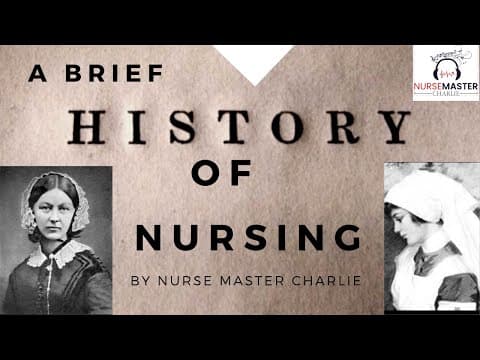
Nursing has transformed from a low-status occupation to one of the most respected professions in the world. This blog post explores the historical journey of nursing, highlighting key figures and milestones that shaped the profession, including the contributions of Florence Nightingale and the establishment of nursing education.
Nursing is widely regarded as one of the most respected professions globally, with countless nurses having contributed to its esteemed status throughout history. However, this was not always the case. In this blog post, we will explore the brief history of nursing, tracing its evolution from a low-status occupation to the honorable profession it is today.
At its core, a nurse is someone trained to provide physical, psychological, and physiological care for patients. However, being a nurse also requires an inherent compassion and heart for caring, qualities that cannot be taught but must come from within.
The term "nurse" has its roots in the Latin word "nutri," which means to suckle, reflecting the early role of women in caring for infants. Historically, nursing care was primarily provided by mothers and women, who extended their nurturing roles to the sick. In various cultures, this responsibility also fell to healers or respected individuals within the community.
From 100 to 200 BC and into 50 AD, nursing care was documented, although it was not formally recognized as a profession. During this time, there were no degrees or formal training; care was typically provided in the home by family members or friends.
The establishment of early hospitals in the Middle Ages marked a significant shift in nursing. These institutions were often run by religious monks and nuns, who provided care out of a sense of religious obligation. However, after the Reformation, the decline of religious-affiliated hospitals led to a decrease in the number of nurses, and nursing became associated with low status.
During this period, nurses were often viewed as "wayward" individuals, and many women who had committed crimes were given the option to work as nurses instead of serving jail time. This negative perception was further perpetuated by authors like Charles Dickens, who described the challenges faced by nurses during this time.
The 1830s saw a turning point in nursing education with the establishment of the first nursing training facility by German pastor Theodore Fleibner in Kaiserworth, Germany. This institution, known as the Deaconess Home and Hospital, was the first semi-secular nursing training facility and marked the beginning of formal nursing education.
Florence Nightingale, a pivotal figure in nursing history, attended this school. Nightingale's contributions to nursing were monumental; she advocated for the professionalization of nursing, emphasizing the importance of education and research in improving patient care. She founded the Nightingale Training School for Nurses, which became a model for nursing education worldwide.
By the late 19th century, nursing schools began to proliferate in the United States. In 1870, there were about 10 nursing schools, which grew to 35 by the 1880s and 423 by 1900. Public health nursing also began to take shape during this time, with figures like Lillian Wald leading the charge in developing school nursing and public health initiatives.
The American Nurses Association was formed to formalize nursing as a profession and advocate for licensing standards. Clara Barton, known for founding the Red Cross, also played a significant role in advancing nursing.
Despite the growth of nursing education, some physicians opposed the idea of formal nursing training, viewing nurses as mere assistants. Hospitals often exploited nursing students for free labor under the guise of clinical training. However, this dynamic began to change as nursing education became more structured and focused on academic learning.
The enactment of nurse practice acts in the 1920s established legal standards for nursing practice, leading to the formal recognition of registered nurses. The Bolton Act of 1943 further expanded access to nursing education and mandated standards for nursing programs, promoting inclusivity across various demographics.
By the mid-20th century, nursing salaries were low, prompting collective bargaining efforts to improve working conditions and advocate for patient care. The world wars significantly increased the demand for nurses, but post-war periods often saw shortages as returning nurses opted to focus on family life.
Mildred Montag's development of the Associate Degree in Nursing (ADN) opened doors for many aspiring nurses, including men and previously excluded groups. Today, nursing education continues to evolve, with many nurses encouraged to pursue advanced degrees to enhance their knowledge and skills.
The history of nursing is a testament to the resilience and dedication of countless individuals who have shaped the profession into what it is today. As we reflect on the past, we can better understand the future of nursing and the potential for continued growth and advancement. Whether you are a current nursing student or a seasoned professional, the journey of nursing is one of honor, compassion, and unwavering commitment to patient care.