The Roland TR-808 drum machine, initially disliked for its unrealistic drum sounds, became a cornerstone of modern music, especially in hip hop and Southern rap. This article explores its origins, unique sound design, cultural impact, and how it transformed music production and listening experiences.
The Roland TR-808 drum machine is one of the most influential instruments in the history of music, particularly known for its booming bass drum sound that has shaped club, rap, and hip hop music. Despite its initial commercial failure, the 808's distinctive bass drum sound became iconic and helped define the low-end sound of Southern rap and many other genres.
The first drum machines were simple, pre-programmed units often built into organs, with no ability to change sounds, patterns, or arrangements. In the late 1960s, the Hammond organ company sold organs with built-in drum machines made by the Japanese company Ace Tone. John Lewis, hired as a product demonstrator, modified these drum machines to create his own drum patterns. This innovation caught the attention of Ace Tone's founder, Ikutaro Kakehashi, who hired Lewis and later founded Roland Corporation in 1972.
By the late 1970s, microprocessors were being integrated into musical instruments. Roland released the Compurhythm CR-78, the first drum machine allowing users to write, save, and replay their own patterns. However, Roland aimed to create a professional-grade drum machine with adjustable tuning, tone, and decay of drum sounds, leading to the development of the TR-808.
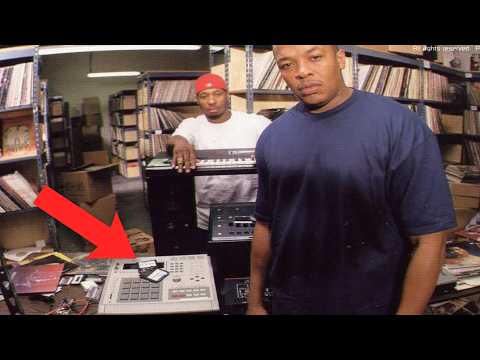
Unlike its competitor, the Linn LM-1, which used expensive samples of real drums, the TR-808 used sound synthesis to generate drum sounds. It also incorporated faulty transistors that contributed to its unique sound. Launched in 1980 at a price of $1,195 (about $4,000 in 2021), the TR-808 was initially disliked because it did not sound like real drums.
Many musicians, including some who later became famous, initially disliked the TR-808. It was considered unrealistic and inferior to sampled drum machines. The price dropped quickly, and Roland ceased production in 1983 after manufacturing about 12,000 units. By then, TR-808s were available on the used market for under $100.
When people refer to "turn up the 808," they mean the bass drum or kick drum sound from the TR-808. This bass drum was designed to be highly adjustable — users could pitch it up or down and change its length and decay. Early users tried to make it sound like a real kick drum, but it never quite matched the acoustic drum sound.
Producers began experimenting by turning down the decay and pitch, creating a new, distinctive bass drum sound that was punchy, solid, and unlike anything heard before. This sound became a defining feature of hip hop and Southern rap music.
Hip hop producers embraced the 808's bass drum, pushing its sound further than anyone had before. The introduction of sampling drum machines like the SP-12 allowed producers to sample and manipulate 808 sounds and other drum sounds, expanding creative possibilities.
Southern rap, especially crunk and Atlanta music, exploded in popularity alongside advances in recording technology. The 808's bass drum sound became central to this new style, influencing how music was produced and how audiences experienced bass in music.
The narrator reflects on their own journey, from playing mandolin and singing about spirits and angels to being associated with the sound of Southern rap's low end. They clarify that while they contributed to the evolution of the 808 sound, they were one part of a larger movement.
The 808's bass drum sound is not a single fixed sound but a flexible synthesized tone that producers shaped to their liking. This adaptability helped the 808 remain relevant and influential decades after its release.
The Roland TR-808 drum machine, despite its rocky start, revolutionized music production with its unique synthesized drum sounds, especially its bass drum. It helped define the sound of hip hop, Southern rap, and many other genres, changing how music is made and heard. The 808's legacy continues to influence artists and producers worldwide, proving that innovation and experimentation can create timeless art.
This comprehensive look at the TR-808's history and impact highlights the importance of technology in shaping musical culture and the enduring power of a distinctive sound.