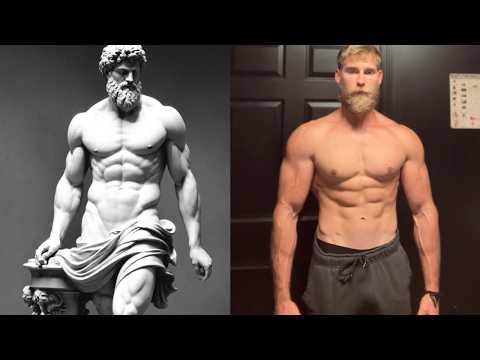
This article outlines a practical three-phase approach to achieving a lean, aesthetic Greek god physique. It emphasizes getting lean enough to reveal muscle, building muscle in key areas for the ideal look, and then entering a controlled calorie surplus to support muscle growth. The plan avoids extreme dieting or excessive gym time, making it sustainable for most people.
Many people aspire to look fit and lean with a bit of muscle, often described as the "Greek god" physique. However, the fitness industry often pushes the idea that more muscle, more gym time, and more exercises are necessary, which can be unsustainable and not aligned with most people's goals. This article presents a straightforward three-phase process to help you achieve that lean, aesthetic look, regardless of whether you are currently overweight or very skinny.
If you carry too much body fat, no matter how much muscle you build, it won't be visible. Consider someone who has been training consistently for a year, getting stronger and hitting workouts hard, but eating in a way that doesn't support fat loss. After a year, they might look the same and feel frustrated, but the gym is working; the fat is just hiding the results.
For most men, the goal is to reach around 10 to 12% body fat. At this level, your face will lean out, your jawline will become more defined, you'll see some ab definition, and your shoulders and biceps will stand out more. This is when your physique starts to visually take shape.
You don't need extreme diets or excessive cardio. The recommended approach is:
Your body burns a certain amount of energy daily just to function (maintenance calories). Eating the same amount of calories as your maintenance keeps your weight stable. Eating more causes weight gain, and eating less puts you in a calorie deficit, forcing your body to use stored fat for energy.
Cardio can help with fat loss but doesn't need to be excessive. Two or three 45-minute brisk walks per week, either outdoors or on an incline treadmill, are sufficient.
Losing fat alone will make you look skinny, not Greek god-like. You need to build muscle in specific areas to create the desired aesthetic.
Train each muscle group once per week using a three-day push, legs, pull split. This routine is efficient and sustainable.
After getting lean and training the right muscles, you need to provide your body with the resources to grow muscle.
Eat about 200 to 300 calories above your maintenance level. This controlled surplus provides the energy your body needs to build muscle without excessive fat gain.
Muscle growth requires extra energy. Training signals your body to build muscle, but food provides the material. Without enough calories, muscle growth stalls.
Avoid the common mistake of "bulking" by eating everything in sight, which leads to unnecessary fat gain. Instead, increase calories slowly while staying relatively lean.
Stay in this building phase until you reach around 15% body fat, then return to phase one to lean out again. Repeating these phases over time will help you build and maintain the Greek god physique.
Achieving the Greek god physique is about balance and sustainability. By first getting lean enough to reveal muscle, then building muscle in key areas, and finally supporting growth with a controlled calorie surplus, you can create a lean, aesthetic look without extreme dieting or excessive gym time. This three-phase approach is practical and effective for most people, regardless of their starting point.