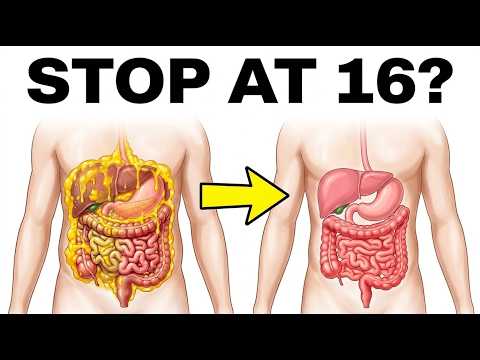
Most people practicing intermittent fasting stop at 16 hours, but research shows that extending the fast to 18 hours significantly enhances fat oxidation, autophagy, and hormonal benefits. This article explains the biological processes hour-by-hour during fasting, the role of insulin, and provides a precise BURN protocol to optimize fat burning and metabolic health, especially for adults over 50.
Most people practicing intermittent fasting follow the popular 16:8 protocol, fasting for 16 hours and eating within an 8-hour window. However, recent research and biological insights reveal that stopping at 16 hours misses a critical metabolic window that begins between 16 and 18 hours of fasting. This article explores the hour-by-hour biological changes during fasting, the role of insulin, and how extending the fast to 18 hours can significantly improve fat burning, cellular repair, and overall metabolic health.
The fasting timeline begins the moment you finish your last meal. For the next 2 to 3 hours, your body is in the postprandial state, actively digesting and absorbing nutrients. Insulin is elevated to manage blood glucose, and fat burning is suppressed because your body uses the incoming food as fuel.
Although insulin levels begin to fall, the metabolic effects of insulin persist due to system lag time. Your fat cells remain locked, preventing fat release. Your body is cautious, waiting to ensure no more food is coming before mobilizing stored fat.
By hour 6, your liver starts maintaining blood glucose by releasing stored glycogen. Insulin is low enough for some baseline fat oxidation, but this is modest and mainly supports metabolism during sleep.
Your body begins breaking down triglycerides stored in fat tissue into free fatty acids for energy. However, full fat mobilization requires insulin to be genuinely low and glucagon (a scarcity signal) to be elevated. At hour 8, you are moving in the right direction but have not yet reached peak fat burning.
The state of your liver glycogen varies greatly depending on your last meal. High refined carbohydrate meals delay glycogen depletion, meaning your body continues burning stored sugar rather than fat. Conversely, a low-carb, higher protein and fat meal accelerates the switch to fat oxidation.
Liver glycogen approaches depletion, forcing a fuel strategy shift. Your liver starts producing ketone bodies—alternative fuels for your brain and organs. Measurable ketones appear around hour 12 to 14, signaling your body is committed to internal fuel sourcing.
Autophagy, the cellular cleaning process where damaged proteins and organelles are recycled, begins around hour 14. This process is crucial for cellular maintenance and longevity, as recognized by Nobel Prize-winning research.
While 16 hours is widely promoted as the optimal fasting window, research shows it is only the starting point. At this stage, fat oxidation is increasing but not at maximum capacity. Your body has accepted no food is coming soon but has not concluded food scarcity.
Between hours 17 and 18, two critical processes converge:
This convergence marks a qualitatively different metabolic state with maximal fat burning, cellular repair, and metabolic reset.
At 18 hours, insulin is at its lowest, HGH and glucagon are elevated, and your cells primarily use ketones and fat for energy. This state is especially important for adults over 50, as autophagy and fat mobilization decline with age but can be temporarily restored by reaching this fasting threshold.
Extending fasting to 20 hours continues to enhance fat oxidation and autophagy and increases brain-derived neurotrophic factor (BDNF), supporting cognitive function and mental health. However, fasting beyond 18 hours requires caution, especially for individuals on diabetes medication, those with a history of disordered eating, or those engaged in high-intensity resistance training.
Insulin is not just a sugar-handling hormone; it acts as a lock on fat cells. Elevated insulin blocks hormone-sensitive lipase, the enzyme responsible for releasing stored fat. Even small insulin elevations, undetectable by glucose monitors, can prevent fat release.
What you eat before fasting significantly impacts insulin levels during the fast. High refined carbohydrate meals cause prolonged insulin elevation, keeping fat cells in storage mode and reducing the effective fasting period.
To maximize fat burning and metabolic benefits, follow the BURN protocol:
Early time-restricted eating (e.g., eating between 8:00 a.m. and 2:00 p.m.) produces better metabolic outcomes than late eating windows. Align your eating window with your circadian rhythm to improve insulin sensitivity, fat oxidation, and inflammatory markers.
Your last meal's composition affects when your physiological fast begins. A meal with 30-40 grams of high-quality protein, moderate healthy fats, and minimal refined carbs allows insulin to return to baseline faster, extending genuine fat-burning time.
Avoid common fasting saboteurs during hours 16 to 18, such as flavored sparkling water with citric acid, branch-chain amino acid supplements, fruit juice, and possibly artificial sweeteners. Stick to black coffee, plain tea, and unflavored water to preserve the fast.
Break your fast with protein first (25-40 grams of high-quality protein) before introducing carbohydrates. This approach supports muscle preservation and gradual transition out of the fat-burning state.
The author shares a personal story of improved metabolic health after shifting from a 16:8 to an 18:6 fasting window, emphasizing the importance of timing and meal composition, especially after a cardiac event.
The popular 16-hour fasting window is a good start but not the peak of metabolic benefits. Extending fasting to 18 hours unlocks a unique metabolic state characterized by maximal fat burning, enhanced autophagy, and hormonal benefits. By following the BURN protocol—starting your fast early, managing your last meal, protecting the fasting window, and carefully breaking your fast—you can optimize your intermittent fasting practice for better health outcomes, particularly as you age.
If you are considering starting the BURN protocol, consistency and precision are key. Consult with a healthcare professional before making significant changes, especially if you have underlying health conditions or are on medication.
This comprehensive understanding of fasting biology empowers you to move beyond simplified fasting advice and harness the full potential of intermittent fasting for fat loss and cellular health.