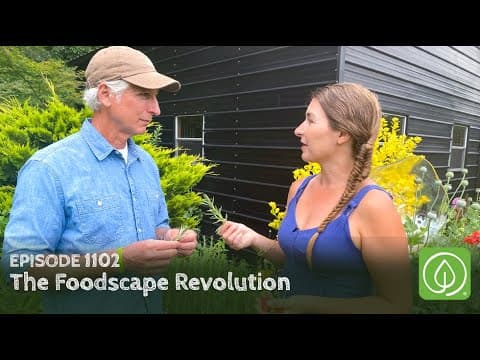
The Foodscape Revolution encourages blending ornamental and edible plants in home gardens, promoting sustainability and self-sufficiency. This approach not only beautifies landscapes but also provides fresh produce, reduces food miles, and enhances environmental stewardship.
Growing a Greener World has been sharing stories about environmental health and sustainability for over a decade. As we enter a new season, the importance of taking an active role in improving our planet has never been clearer. One innovative approach to gardening that is gaining traction is foodscaping, which combines aesthetics with food production in our own backyards.
Foodscaping is the practice of integrating edible plants into ornamental landscapes. This concept challenges the traditional separation of gardening and landscaping, suggesting that both can coexist beautifully. By mixing vegetables with decorative plants, homeowners can create visually appealing spaces that also provide fresh produce.
Brie Arthur, an award-winning horticulturist and author of "The Foodscape Revolution," is a leading advocate for this movement. Her own garden in Raleigh, North Carolina, showcases how food crops can enhance the beauty of a landscape. For instance, she grows peanuts, which are not commonly found in residential gardens, alongside traditional ornamental plants. This not only diversifies her garden but also makes it a conversation starter.
To begin your foodscaping journey, consider the following steps:
Identify sunny areas in your yard where vegetables can thrive. Focus on spots you frequently pass by, as these will be easier to maintain.
Think critically about what you eat regularly. Start by growing five vegetables that you enjoy and are comfortable cooking with. This will help you change your shopping habits and encourage self-sufficiency.
Brie suggests starting with perennial plants like blueberries and strawberries, which can easily blend into ornamental gardens. For example, blueberry bushes can replace traditional hedges, providing both beauty and delicious fruit.
Cover crops, traditionally used in farming, can also benefit home gardens. For instance, daikon radishes can improve soil health and suppress pests, while peanuts can serve as both a snack and a natural cover crop.
Consider growing grains like barley or wheat in your landscape. These crops can be just as beautiful as ornamental grasses and provide a source of carbohydrates year-round.
As more people embrace the idea of foodscaping, it is becoming clear that this approach can significantly impact our food systems and environmental health. By integrating edible plants into our landscapes, we can contribute to a more sustainable future.
Foodscaping is not just a gardening trend; it is a movement towards greater self-sufficiency and environmental stewardship. By blending beauty with functionality, we can create gardens that nourish both our bodies and our planet. As we continue to explore innovative ways to grow our own food, the foodscape revolution offers a promising path forward for gardeners everywhere.