Deep engagement with music activates nearly every brain region, releasing dopamine and oxytocin, enhancing emotional intelligence, memory, and resilience. Music lovers develop stronger self-identity, social connections, and cognitive protection over time. Active participation in music leads to improved mental health, emotional regulation, and overall psychological wellness, making music obsession a powerful tool for emotional and neurological well-being.
Music is more than just background noise for many people; it is a profound part of their identity and emotional life. This article explores the psychological and neurological benefits of being deeply connected to music, often described as being a "music person". Drawing from neuroscience research and personal experience, we will uncover why music obsession is not only valid but beneficial.
A music person is someone who values music deeply and connects with it on a level that goes beyond casual listening. They often have a strong emotional bond with music, recalling albums and concerts that shaped their lives. This connection is not limited to any specific genre; whether it is rock, metal, punk, or any other style, the benefits of music engagement apply universally.
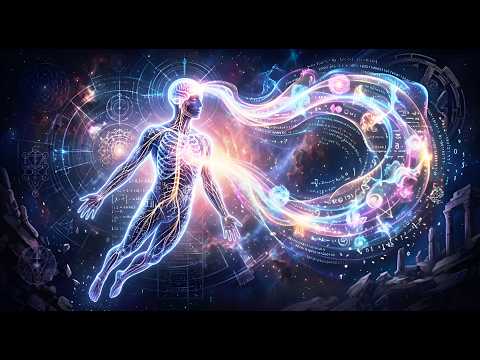
Listening to music activates almost every region of the brain simultaneously. MRI studies show that the auditory cortex, motor cortex, limbic system, and prefrontal cortex all fire in sync when we listen to music we love. This is rare, as most activities activate only one or two brain areas. Music provides a full brain workout that is emotional, physical, and cognitive.
Music triggers the release of dopamine, the chemical associated with reward, love, and motivation. Research from McGill University found that listening to favorite music releases dopamine levels comparable to eating favorite food or falling in love. Additionally, music stimulates oxytocin, the bonding hormone, which explains the communal and euphoric feelings experienced at concerts.
People who engage deeply with music tend to have higher emotional intelligence. They are better at identifying and labeling emotions in themselves and others, leading to healthier relationships, better decision-making, and greater resilience. This emotional literacy develops even when the music is not overtly emotional.
Music fans often have stronger memory networks. A 2019 study revealed higher connectivity between the hippocampus (memory center) and the prefrontal cortex (planning and reasoning) in people who engage heavily with music. This explains why songs can vividly recall specific moments and emotions from the past.
Music helps regulate emotions effectively. People who use music to process feelings are less likely to suppress emotions and more likely to express them constructively. Listening to sad music when sad or angry music when angry can be cathartic, helping the brain complete the emotional cycle rather than bottling feelings up. This ability contributes to greater resilience during difficult times.
The default mode network, involved in self-reflection and identity, is more stable and integrated in music people. This means they have a stronger sense of who they are, with music forming a core part of their personality. Statements like "that song saved my life" reflect how deeply music shapes our sense of self.
Music fosters social connectedness, even among introverts. Concerts, fan communities, record stores, and online forums provide shared languages and spaces where strangers can instantly feel a sense of belonging. This social aspect is a vital part of the music experience.
Lifelong engagement with music protects the brain over time. Older adults who actively listen to music show better cognitive flexibility, memory retention, and stronger immune responses. Neuroscience research suggests that musical engagement can delay cognitive decline and help rebuild neural pathways after trauma or injury.
The benefits of music come from active engagement—listening closely, feeling the music, discussing it, playing instruments—not just having music in the background. Music people participate in music, which enhances mental health, lowers anxiety and depression, and increases life satisfaction, empathy, and creativity.
Being deeply connected to music is more than a hobby; it is a form of emotional and psychological self-care supported by neuroscience. Music obsession enhances brain function, emotional intelligence, memory, resilience, identity, social connection, and cognitive health. For those who live and breathe music, science confirms that this passion is indeed beneficial.
If you have personal stories or thoughts about how music has impacted your life, sharing them can enrich this ongoing conversation about the power of music. Whether you are a fan of rock, metal, punk, or any other genre, your musical journey is part of a larger story about human connection and well-being.