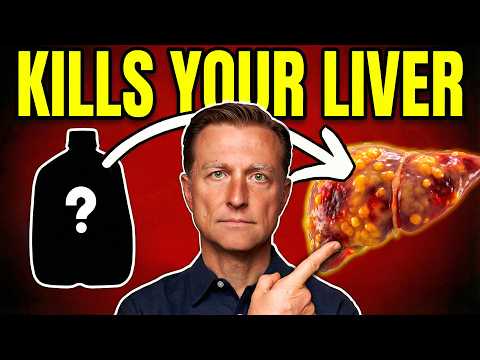
While alcohol-related liver disease affects millions, the leading cause of chronic liver disease in the US is actually fructose, especially from high fructose corn syrup found in many processed foods. Additionally, Tylenol (acetaminophen) is the top cause of acute liver failure. This article explores how fructose and Tylenol damage the liver, symptoms to watch for, and ways to protect and heal your liver naturally.
Many people believe alcohol is the primary cause of liver damage, and while alcohol-related liver disease affects 16 million Americans annually, there is a far more widespread and less recognized culprit: fructose. Chronic liver disease caused by fructose affects approximately 100 million people in the United States. Additionally, Tylenol (acetaminophen) is the leading cause of acute liver failure. This article delves into these two major threats to liver health, explaining how they damage the liver and what can be done to protect and heal this vital organ.
The liver is a powerhouse organ with over 500 functions. It is not merely a storage site for toxins; rather, it transforms toxins and poisons into harmless substances through complex biochemical processes. One of the liver's most important compounds is glutathione, which acts as a bodyguard by neutralizing harmful substances.
Another critical function is the liver's fat export system, which helps shuttle fat out of the liver and into the intestines, preventing fat accumulation. Everything we consume—food, air, and even substances applied to the skin—eventually enters the bloodstream and passes through the liver. Maintaining adequate glutathione levels and a healthy fat export system is essential for liver health.
Fructose is a type of sugar commonly found in fruit, but the problem lies in the excessive consumption of fructose from processed foods, especially high fructose corn syrup (HFCS). HFCS is prevalent in sodas, cereals, granola bars, yogurt, ketchup, bread, and thousands of processed foods.
Interestingly, the ancient Romans created a delicacy called foie gras by force-feeding geese dried dates, which are rich in fructose, to induce fatty liver disease intentionally. Today, we unknowingly replicate this process by consuming large amounts of fructose through processed foods.
Unlike glucose, which all body cells can metabolize, fructose is metabolized exclusively by the liver. When fructose reaches the liver, it:
This dual effect causes fat to build up in the liver, leading to non-alcoholic fatty liver disease (NAFLD).
The fructose in whole fruit is less harmful due to fiber, which slows sugar absorption. The real danger is "liquid candy" like fruit juices and HFCS-laden products that deliver large fructose doses rapidly, overwhelming the liver.
Tylenol is the number one cause of acute liver failure in the United States. Unlike fructose, which causes slow, chronic damage, Tylenol can cause rapid liver failure within 72 hours if overdosed.
Tylenol depletes glutathione, the liver's protective compound, reducing the liver's ability to neutralize toxins. This depletion can lead to severe liver damage.
Acetaminophen is present in over 600 medications, including cold remedies and prescription painkillers like Vicodin and Percocet. Many people unknowingly consume multiple acetaminophen-containing products simultaneously, exceeding safe doses.
Acetaminophen has a ceiling effect, meaning taking more does not increase pain relief but significantly increases liver damage risk.
Reducing or eliminating HFCS and added sugars from your diet is the first and most crucial step to protect your liver.
Only provide whole fruits, not fruit juices, to avoid excessive fructose intake.
While there are many supplements available, including those by Dr. Bberg, it is essential to consult healthcare professionals before starting any new supplement regimen.
Fructose, especially from high fructose corn syrup, is the leading cause of chronic liver disease in the United States, surpassing alcohol. Tylenol is the primary cause of acute liver failure. Awareness of these facts, reducing sugar intake, avoiding hidden acetaminophen overdoses, and supporting liver health through diet and supplements can help protect and regenerate this vital organ.
For more information on what to eat to support a healthy liver, further resources and videos are recommended.