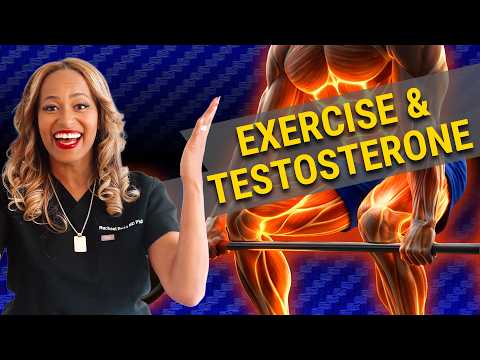
Testosterone production is influenced by several root causes including inflammation, toxins, stress, insulin resistance, nutrient deficiencies, and sleep disruption. The most effective exercise to boost testosterone is heavy, smart resistance training focusing on compound lifts like squats and deadlifts. This approach recruits more muscle, creates metabolic strain, and demands repair, all stimulating testosterone production more than other exercises or cardio.
What if there was a single exercise that could boost your testosterone levels higher than any other? Understanding the science behind testosterone production and exercise can help you optimize your workouts for maximum hormonal benefits.
Testosterone production begins in the brain, specifically the hypothalamus, which signals the pituitary gland to release luteinizing hormone (LH). LH then travels to specialized cells in the testicles called Leydig cells, responsible for 95% of testosterone production. Testosterone is synthesized from cholesterol through a series of conversions involving pregnenolone, DHEA, and androstenedione.
This process requires three key components:
Think of this like a Wi-Fi signal: when the chain is strong and uninterrupted, energy, confidence, drive, blood flow, and sexual function are all optimal. When any link is broken, the signal weakens, leading to symptoms often mistaken as just aging.
Low testosterone is not random; it results from specific underlying causes:
Chronic Inflammation: Caused by processed foods, excess sugar, poor gut health, lack of movement, and stress, inflammation disrupts brain-to-testicle signaling and damages testosterone-producing cells.
Toxin and Estrogen Exposure: Chemicals called xenoestrogens found in plastics, water, personal care products, and food packaging mimic estrogen, increasing estrogen levels and lowering testosterone, leading to feminization symptoms.
Chronic Stress and Cortisol Overload: Cortisol and testosterone compete for the same raw materials. Chronic stress elevates cortisol, which suppresses testosterone production.
Insulin Resistance and Blood Sugar Instability: High insulin levels from sugar and processed carbs suppress testosterone. Pre-diabetics often have low testosterone.
Micronutrient Depletion: Leydig cells require zinc, magnesium, selenium, vitamin D, and cholesterol to produce testosterone. Deficiencies or absorption issues impair production.
Sleep Disruption and Circadian Rhythm Damage: Most testosterone is produced during REM sleep. Disruptions from blue light, irregular schedules, poor sleep hygiene, or frequent nighttime urination reduce testosterone synthesis.
Doctors often prescribe testosterone gels to treat low levels, but this addresses symptoms rather than root causes. Understanding and targeting these six causes is essential for sustainable testosterone health.
The most powerful natural testosterone booster is heavy, smart resistance training. This is often overlooked or done incorrectly.
There is a minimum volume and intensity of lifting required to trigger a testosterone spike. Below this threshold, Leydig cells do not receive the signal to increase production.
Heavy compound lifts such as squats, deadlifts, lunges, and Olympic lifts:
Studies show that jump squats produce significantly higher testosterone increases than bench presses because they engage more muscle mass. Free weights are superior to machines because they require stabilization, recruiting additional muscles and increasing metabolic demand.
Training to absolute failure can increase cortisol and reduce testosterone. Smart intensity—lifting heavy but stopping short of failure—maximizes testosterone while minimizing stress.
Endurance athletes like marathon runners often have low testosterone due to prolonged cortisol elevation. Steady-state cardio does not boost testosterone like resistance training or high-intensity interval training (HIIT). For testosterone, resistance training should be prioritized.
While exercise-induced testosterone spikes are often transient, consistent resistance training leads to the strongest and longest-lasting increases in resting testosterone levels. Each workout strengthens the hormonal signaling chain.
To naturally boost testosterone, focus on heavy, smart resistance training with compound lifts that recruit large muscle groups. Avoid chronic inflammation, toxin exposure, stress, insulin resistance, nutrient deficiencies, and sleep disruption to maintain a strong hormonal foundation.
Remember, testosterone affects not only energy and drive but also blood flow, erection quality, brain function, heart health, and bone density. Prioritizing the right exercise and lifestyle habits can profoundly impact your overall health and vitality.
For those interested in nutrition, foods rich in zinc, magnesium, selenium, vitamin D, and cholesterol support testosterone production and complement these exercise strategies.
Start lifting heavy, lift smart, and give your body the signal it needs to produce testosterone naturally and effectively.