Argentina experienced a dramatic economic decline from being one of the wealthiest nations in the early 20th century to facing chronic inflation and instability. This blog explores the historical factors that led to this downfall and the lessons learned from Argentina's turbulent economic journey.
Imagine walking into a grocery store, grabbing a loaf of bread, and by the time you reach the checkout, the price has doubled. This was a reality for many Argentines in the 1980s, where rampant inflation and skyrocketing prices made daily life unbearable. Today, Argentina still grapples with economic challenges, but its history tells a more complex story of wealth and decline.
From 1880 to 1930, Argentina was in its golden era, with its capital, Buenos Aires, often referred to as the "Paris of South America." By 1913, Argentina ranked among the world's ten richest nations. This prosperity was largely due to its geography and favorable conditions:
During this period, Argentina's GDP per capita surpassed that of France and Germany, and Buenos Aires became a cultural hub, attracting European elites.
The prosperity was not to last. The 1929 stock market crash and the ensuing Great Depression had devastating effects on global trade. Countries turned inward, imposing tariffs that crippled Argentina's export-driven economy. The government, facing declining exports, opted for a strategy of import substitution, aiming to produce goods domestically rather than relying on imports.
However, this approach was flawed. High tariffs led to increased prices for essential goods, and the lack of competitive industries stifled growth. The 1930s saw political instability as military coups replaced constitutional governments, leading to a cycle of chaos.
In 1943, Juan Domingo Perón rose to power, promoting economic nationalism. His policies included:
While these policies aimed to stabilize the economy, they resulted in unsustainable government spending and rampant inflation. By 1955, another military coup ousted Perón, marking a shift from a wealthy democracy to a nation plagued by chronic inflation and political instability.
For nearly 30 years, Argentina oscillated between military rule and weak governments, leading to a notorious stop-go economic cycle. Governments would stimulate growth through spending, leading to inflation, only to be followed by austerity measures that caused recessions. This instability discouraged long-term investments, further exacerbating economic woes.
In 1976, a brutal military dictatorship took power, leading to severe human rights abuses and economic policies that opened the economy to imports. However, the high value of the peso made local goods uncompetitive, resulting in manufacturing collapse and soaring unemployment.
By the 1980s, Argentina faced hyperinflation, reaching a staggering 5,000% by 1989. The economy was in shambles, with citizens rioting for basic necessities. Carlos Menem took office in 1989, implementing radical free-market reforms, including pegging the peso to the dollar. Initially, inflation decreased, and the economy grew, but this created new problems as the peso's strength hindered exports.
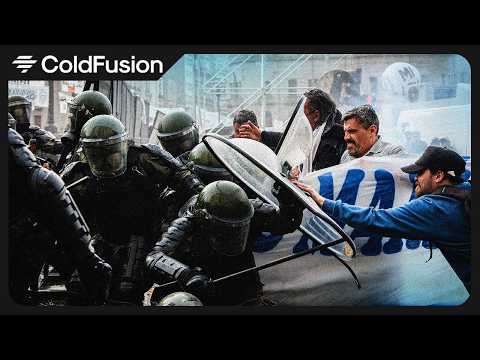
By 2001, Argentina was on the brink of collapse, facing a recession, unsustainable debt, and fleeing investors. The government defaulted on $100 billion in debt, leading to widespread chaos, protests, and the resignation of the president. The economy shrank by 15%, and poverty surged, with over half the population living in dire conditions.
After the 2001 crisis, Argentina experienced a temporary recovery, driven by global demand for soy, beef, and grain. However, underlying issues persisted, and by the mid-2010s, inflation and public debt began to rise again. Argentina defaulted on its debt multiple times, with inflation soaring past 200% annually by 2023.
In the wake of ongoing economic turmoil, Javier Milei, a libertarian economist, emerged as a presidential candidate, promising radical reforms to slash government spending and dismantle the political establishment. His proposals, including dollarization and privatization, have sparked debate about their potential impact on poverty and social unrest.
Argentina's story offers critical lessons:
Argentina's economic journey is a cautionary tale of how prosperity can quickly turn into crisis. As the country grapples with its past and present challenges, the question remains: can Argentina finally break the cycle of economic disaster, or will it continue to face the same struggles for generations to come?