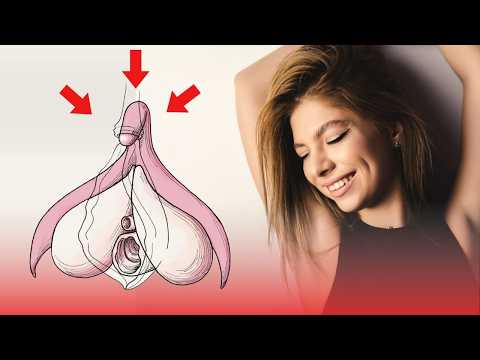
Research shows that the average female orgasm lasts between 20 to 30 seconds, often longer than women perceive. Factors like arousal, stimulation type, and pelvic floor strength influence orgasm duration and intensity.
Have you ever wondered how long a female orgasm actually lasts? You might think it's just a couple of seconds, but science tells us something a little different. In this article, we will explore the duration of female orgasms, how researchers study them, and the factors that influence their length and intensity.
Researchers study orgasms using various tracking devices to monitor physiological responses during the event. Key metrics include:
While scientists do not observe individuals directly, they can identify the onset and conclusion of an orgasm through these measurements. The first rhythmic contraction and the spike in heart rate signal the beginning, while the return to baseline indicates the end.
Interestingly, studies reveal a significant discrepancy between the actual duration of orgasms and women's perceptions of them. In a notable study from 1985, researchers recruited 28 healthy, sexually active young women to self-stimulate until orgasm. They measured changes in blood flow using a heated oxygen electrode inserted into the vaginal wall. Participants were asked to report when they began and ended their orgasms, which were timed with a stopwatch.
Other studies have corroborated these findings, indicating that the average female orgasm lasts between 20 to 30 seconds, with considerable individual variability. Short orgasms lasting 3 to 15 seconds are common, while longer orgasms can last from 20 seconds to nearly two minutes. Notably, 40 to 48% of women report orgasms lasting 30 to 60 seconds or longer.
Several factors can influence how long an orgasm lasts:
The more aroused a woman is, the more likely she is to experience a longer and more intense orgasm. Building arousal through foreplay and extended stimulation is essential for enhancing the orgasmic experience.
Different forms of stimulation—clitoral, vaginal, or a combination—can lead to varying orgasmic responses. Combining clitoral and vaginal stimulation often results in more intense orgasms.
Hormonal fluctuations during the menstrual cycle can affect orgasm intensity and duration. Women often report more intense orgasms during ovulation when estrogen levels peak.
Stress, anxiety, and distractions can negatively impact the intensity and duration of orgasms. Cultivating desire and being present with a partner can enhance the experience.
The pelvic floor muscles play a crucial role in orgasm. Strong pelvic floor muscles contract more effectively, leading to more intense orgasms. Engaging in pelvic floor exercises, such as Kegel exercises, can improve orgasm quality.
Certain medications, particularly antidepressants like SSRIs, can affect sexual function and orgasm. They may make it more challenging to achieve orgasm or alter its intensity and duration.
As women age, nerve endings may become less sensitive, potentially affecting orgasm intensity and duration. However, maintaining overall health can help preserve sensation and enhance sexual experiences.
In summary, the average female orgasm lasts between 20 to 30 seconds, often longer than women perceive. Factors such as arousal, type of stimulation, hormonal changes, psychological state, pelvic floor strength, medications, and age all play a role in influencing orgasm duration and intensity. Ultimately, the quality of the orgasm is more important than its length, as many women find shorter, more intense orgasms equally satisfying. Understanding these dynamics can enhance sexual experiences for both women and their partners.