This blog post explores the complex relationship between hydration and hair health, debunking common myths and explaining the science behind how water affects hair structure, strength, and care. It emphasizes that while water is essential, the right balance is crucial for maintaining healthy hair.
Should you hydrate your hair? With the plethora of hydrating products available, the answer seems obvious. However, there is a growing debate among hair experts and scientists about the effects of water on hair health. This post aims to clarify the science behind hair hydration, dispelling myths and providing a comprehensive understanding of how to care for your hair.
Hydration is one of the most misunderstood topics in hair science, often leading to conflicting advice from marketing, hair experts, and cosmetic scientists. Understanding the relationship between water and hair can significantly improve your hair care routine.
Hair is primarily made of proteins, which are held together by various types of bonds. These bonds give hair its strength and shape. There are permanent bonds that break only with chemical treatments and temporary bonds, mainly hydrogen bonds, that are affected by water.
When hair is wet, it becomes stretchier and more pliable. This is because water disrupts the temporary hydrogen bonds that hold the protein structures together. While wet hair is easier to stretch, it is also weaker and more prone to breakage. This phenomenon is why many hair scientists caution against excessive water exposure.
Different hair types react differently to water. For instance, curly or kinky hair tends to lose its shape when wet, while straight hair is more susceptible to damage when combed while wet. Understanding your hair type can help you determine the best practices for hydration and care.
Many hair care products claim to hydrate hair, leading consumers to believe that more water equals healthier hair. However, studies show that hair that feels soft and smooth often contains less water than hair that feels rough and dry. This paradox arises from the way water interacts with hair at a molecular level.
When hair absorbs excess water, it swells unevenly, causing the cuticle scales to lift and create a rough surface. This is contrary to the common belief that wet hair should feel smooth. Instead, the right balance of hydration is crucial for maintaining hair health.
Most hydrating hair products function as conditioners, which deposit an oily layer on the hair's surface. This layer helps to smooth the hair and reduce friction, making it feel softer. However, it is a misconception that conditioners seal hair against water. In reality, healthy hair can absorb a significant amount of water, and conditioners do not prevent this absorption.
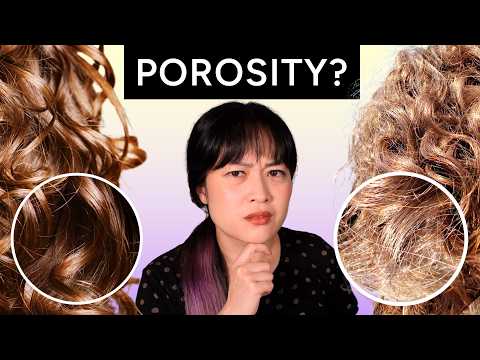
Hair porosity refers to how well hair can absorb and retain moisture. While damaged hair may appear more porous, this does not necessarily mean it absorbs more water. Instead, it often indicates that the hair's surface is compromised, allowing water to spread along the surface rather than being absorbed.
The water content of your hair is largely influenced by the humidity in the environment. Low humidity can lead to dry, brittle hair, while high humidity can cause hair to swell and feel rough. Finding the right balance is essential for maintaining healthy hair.
A common myth in hair care is the concept of hygral fatigue, which suggests that repeatedly wetting and drying hair can cause damage. However, there is little evidence to support this claim. While wet hair is more fragile, the act of wetting and drying does not inherently damage hair as long as it is treated gently.
Water is neither inherently good nor bad for hair; it is a tool that can be used effectively with the right knowledge. Understanding the science behind hair hydration can help you make informed decisions about your hair care routine. By treating your hair gently and using the right products, you can achieve healthy, beautiful hair without fear of damage from hydration.