The rise of tiny houses offers a solution to the housing crisis, providing affordable and sustainable living options. This blog explores the experiences of individuals transitioning to tiny homes, the construction process, and the lifestyle changes that come with downsizing.
In recent years, the concept of tiny houses has gained significant traction as a viable solution to the housing crisis. With skyrocketing property prices and a growing desire for minimalism, many individuals are turning to these compact living spaces. This blog delves into the experiences of those who have embraced tiny house living, the construction process, and the lifestyle changes that accompany this transition.
For many, the allure of tiny houses lies in their affordability and the freedom they offer. As one individual noted, the traditional housing market has become increasingly inaccessible, with banks reluctant to finance new homes. Tiny houses, on the other hand, present a more budget-friendly option, allowing people to own their homes without incurring crippling debt.
Living in a tiny house requires a significant shift in mindset. Residents often find themselves downsizing their possessions and reevaluating their needs. One woman, who transitioned from a larger home to a tiny house, expressed her excitement about the change, stating that she felt like a different person after letting go of her old life. This sentiment is echoed by many who find that living in a smaller space encourages them to prioritize experiences over material possessions.
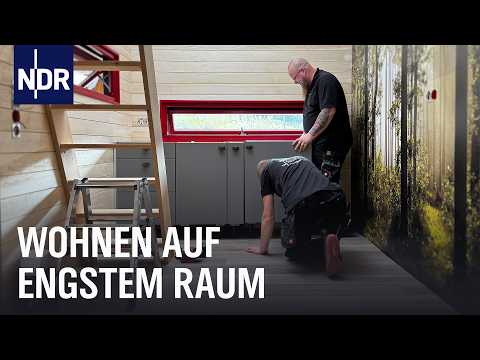
The construction of tiny houses is a meticulous process that involves careful planning and execution. Heiner Stickford, a master carpenter in East Friesland, has been building furniture for years and has recently ventured into constructing tiny houses. He and his team can produce a maximum of five tiny houses per year, despite demand being three times higher.
Tiny houses are often designed with efficiency in mind. For instance, the installation of underfloor heating is simplified due to the smaller space, allowing for quicker and less expensive setups. The use of lightweight materials is crucial, as tiny houses must adhere to strict weight limits for mobility. Each design is unique, reflecting the individual preferences of the owners, which adds character to these compact homes.
Petra Dedeke is one of many individuals embarking on a new life in a tiny house. After selling her old home, she eagerly awaited the arrival of her new mobile home, which she had chosen from a catalog. The transition was not without its challenges, as she had to downsize significantly, letting go of many belongings. However, she expressed excitement about her new life, emphasizing the importance of creating a space that felt like home.
Many tiny houses are situated on camping grounds, where residents can live without the need for extensive building permits. Manuel Marone, who operates several camping sites, has seen a surge in demand for these living arrangements. He notes that people are increasingly looking to minimize their living costs while maintaining a sense of community and connection to nature.
As the tiny house movement continues to grow, it raises important questions about housing, sustainability, and lifestyle choices. Many individuals are drawn to the idea of living in smaller spaces to reduce their environmental footprint and lower their living expenses. The trend reflects a broader societal shift towards minimalism and intentional living.
Despite the benefits, there are challenges associated with tiny house living. Finding suitable land can be difficult, and zoning laws may complicate the process. Additionally, while tiny houses can be more affordable than traditional homes, the initial investment can still be significant, often reaching up to 100,000 euros.
The tiny house movement represents a growing desire for affordable, sustainable living solutions. As more people like Petra Dedeke embrace this lifestyle, it highlights the potential for tiny houses to reshape our understanding of home and community. With careful planning and a willingness to adapt, tiny houses can offer a fulfilling alternative to conventional living arrangements, allowing individuals to live more simply and intentionally.