A sexual dry spell is more than just a lack of sex; it is a prolonged disconnection from one's own sexuality often accompanied by feelings of frustration and shame. This article explores the underlying causes of dry spells, including personal history and attachment patterns, and offers five actionable steps to break free: identifying your personal story, reconnecting with your body, expanding your social world, releasing shame, and educating yourself about your sexuality.
You might be experiencing what is commonly referred to as a sexual dry spell. Perhaps you haven't said it out loud or fully admitted it to yourself, but deep down, you know it’s there. From the outside, your life might seem full—you have friends, a career, maybe even a partner or spouse. Yet, there is a quiet, private gap between the connection you desire and the sex life you are actually having, or not having.
This growing gap can start to feel less like a temporary situation and more like a defining fact about who you are. This article delves into what drives a sexual dry spell and outlines specific, effective steps to help you break free from it, whether your dry spell has lasted six months or ten years.
A sexual dry spell is not merely a calendar measure of time without sex. It is the experience of prolonged disconnection from your own sexuality, accompanied by feelings such as frustration, loneliness, and a creeping sense of inadequacy that begins to feel like part of your identity.
Sexual needs vary widely among individuals. For some men, three months without intimacy feels like deprivation; for others, it might be weeks or even years. Neither is wrong. A dry spell is essentially when the lack of sexual connection starts to hurt emotionally and psychologically.
Importantly, dry spells are not exclusive to single men. Some of the most painful dry spells occur within marriages where couples have been sexually disconnected for years, despite living together and sharing a bed. While the methods to break such dry spells may differ slightly, the root causes often overlap.
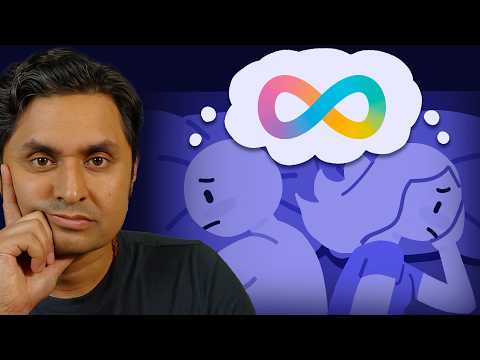
Many common pieces of advice focus on tactics like updating dating profiles, going to the gym, or having conversations about sex with your partner. While these are helpful, they often miss the deeper underlying driver: the story you tell yourself about your circumstances.
Consider the example of Brian, a successful and social man who has carried a sexual dry spell for nearly 20 years. Brian’s upbringing was marked by a controlling and shaming mother who removed his privacy and forbade dating. As a result, Brian grew up with a deep longing for intimacy but also a subconscious belief that women were dangerous and that closeness meant vulnerability and control.
Brian’s nervous system was protecting him from perceived threats, which manifested as his dry spell. This example illustrates that dry spells often stem from early life experiences and the stories we internalize about intimacy and sexuality.
Research shows that early relationship experiences shape our adult templates for intimacy. Avoidant attachment patterns, characterized by emotional self-protection and difficulty allowing closeness, are common drivers of prolonged sexual dry spells in otherwise high-functioning men. This is not dysfunction but a form of protection.
Understanding this distinction is crucial to breaking the cycle.
Breaking a dry spell is not about quick fixes but about making real, foundational changes. Here are five essential steps:
Before jumping into tactics, gain clarity on the underlying narrative driving your dry spell. This often requires journaling, therapy, or seeking support to gain perspective on beliefs you may not see clearly yourself.
Ask yourself:
Opening up about these questions, whether with a partner, friend, or professional, is vital.
A dry spell is not just social or relational; it is also somatic. Long-term disconnection from sexuality often results in physical tension, shallow breathing, and numbness to sensation.
Start by becoming present with yourself through movement, breathwork, exercise, or any activity that reconnects you with your body. Pay attention to non-sexual physical pleasures like good food, sunlight, or physical exertion.
For example, Brian began cooking his own meals, spending more time outdoors, and focusing on his physical health—not to attract women, but to feel more at home in his body. This shift was foundational to his progress.
Many men make the mistake of going from no social interaction to aggressively pursuing romantic connections, which creates pressure and often backfires.
Social confidence is a skill that atrophies without use and rebuilds through practice. Start with low-stakes social interactions without romantic agendas. Join groups, attend events, and engage with people who share your interests.
This builds evidence that you are interesting and that conversations flow naturally, laying the groundwork for romantic connections.
Shame about a dry spell is not just an emotional response; it actively worsens the situation. Shame activates threat responses in the brain, preventing the nervous system from relaxing into the openness intimacy requires.
Chronic shame keeps your body in a state of low-grade threat, incompatible with relaxed, confident energy.
Research by Dr. Kristin Neff shows that self-compassion is linked to greater emotional resilience, less anxiety, and better relationship functioning.
Men who are most magnetic tend to hold themselves with a fundamental sense of okay-ness—not arrogance, but acceptance.
Treat your dry spell as something happening to you, not as a reflection of your worth. Be compassionate with yourself and reject the shame.
Understanding how your arousal system works—the nervous system mechanics of desire, the roles of hormones like testosterone and cortisol, and how anxiety affects arousal—can transform your approach to intimacy.
Knowledge reduces anxiety, which is a primary physiological brake on sexual response. The dual control model explains how your brain simultaneously runs an accelerator (arousal cues) and a brake (threat detection).
By understanding your system, you can work with it rather than against it, reducing catastrophizing and improving presence.
Brian did not break his dry spell by becoming a completely different man. Instead, he removed the barriers that kept his authentic self hidden from women and himself. He stopped feeling like a victim and took responsibility for his story, reclaiming his power.
Now, Brian is dating, connecting, and experiencing intimacy he once thought impossible. The truth is, those experiences were always available; the story was the obstacle.
Whether your dry spell has lasted months, years, or decades, the path out is the same:
You are not broken. You are simply working with incomplete information about yourself, and that is entirely fixable.
If this article resonates with you, consider sharing your experiences or what has helped you in the comments. Remember, you are not alone.
Take these steps, change your story, and reclaim the intimate life you deserve.