What is Visceral Fat?
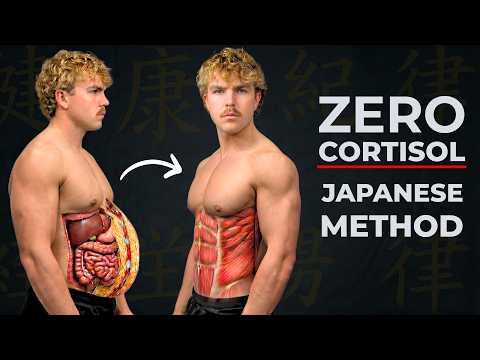
Visceral fat is the hidden layer of fat that wraps around your internal organs such as the liver and intestines. Unlike subcutaneous fat, which is the fat you can see and pinch under your skin, visceral fat is not visible but is far more dangerous. It releases inflammatory molecules that accelerate aging, increase the risk of heart disease, and weaken the body's defense against cancer cells.
Why Visceral Fat is Dangerous
Visceral fat contributes to a bloated appearance and is linked to serious health risks. Because it is hidden, many people are unaware they have it. However, the good news is that visceral fat is the easiest type of fat to lose compared to subcutaneous fat.
The Difference Between Visceral and Subcutaneous Fat
- Subcutaneous fat is your body's long-term energy reserve and is considered safe. Your body tries to preserve this fat.
- Visceral fat is not meant to be there and accumulates when something is wrong hormonally or metabolically.
The Root Cause of Visceral Fat: Hormonal Imbalance
Three master hormones control whether fat is stored around your organs:
1. Insulin
- When you eat carbohydrates, they break down into sugar, raising blood sugar levels.
- The pancreas releases insulin to help cells absorb sugar for energy or storage.
- Chronic high insulin levels cause cells to become resistant, leading to more insulin production.
- High insulin keeps the body in fat storage mode and blocks fat burning.
- Excess sugar is first stored as subcutaneous fat; once full, overflow is stored as visceral fat.
- High insulin also causes leptin resistance, increasing hunger and food intake.
2. Cortisol
- Released during stress, sleep deprivation, or chronic endurance exercise.
- Visceral fat cells have more cortisol receptors, so cortisol directs fat storage to visceral areas.
- This explains why stressed or lean individuals can have high visceral fat.
- Example: Marathon runners often have "runner's paunch," a visceral fat belly despite being lean.
3. Estrogen
- Healthy estrogen levels direct fat to safe subcutaneous areas.
- Imbalanced estrogen flips fat storage to visceral fat.
- Beer drinkers often develop visceral fat bellies due to phytoestrogens in hops, combined with insulin spikes from carbs and cortisol from alcohol.
The Vicious Cycle of Hormones and Overeating
- High insulin locks fat cells, preventing fat burning.
- Leptin resistance causes constant hunger.
- This leads to overeating, more insulin spikes, and more fat storage.
Debunking Myths About Visceral Fat Loss
Many videos and articles promote magical superfoods or quick fixes to eliminate visceral fat. However, scientific studies show that these claims are often misleading or incomplete. For example, a study on carotenoid-rich vegetable paste showed some visceral fat reduction, but the effect was likely due to reduced carbohydrate intake and healthier lifestyle changes rather than the vegetables alone.
The Japanese Method for Low Visceral Fat
Japanese people have low visceral fat levels due to their healthy habits:
- Eating large amounts of fish and protein.
- Avoiding processed junk food.
- Consuming small portions of carbohydrates like rice (about 140g per serving).
- Maintaining smaller blood sugar spikes and lower insulin levels.
- Keeping cortisol and estrogen balanced.
The 14-Day Protocol to Reduce Visceral Fat
Day 1 to 7
- Cut out all processed foods and foods high in phytoestrogens.
- Reduce carbohydrate intake to about half of your usual amount.
- Focus on eating meat, which does not spike insulin like carbohydrates.
- Incorporate more daily steps (e.g., morning walks, taking stairs, parking further away).
Day 8 to 14
- Continue avoiding processed and high-phytoestrogen foods.
- Reduce carbohydrate intake by half again (about 25% of your original intake).
Expected Results
- Reduced hunger and more stable energy levels.
- Noticeable reduction in visceral fat and a leaner appearance.
- Establishment of habits that maintain low visceral fat long-term.
Important Considerations
- This protocol is not a magical cure but a scientifically backed lifestyle change.
- Some individuals may tolerate higher carbohydrates without visceral fat due to better insulin sensitivity.
- The key is to eat a species-appropriate diet that balances insulin, cortisol, and estrogen.
What is a Species-Appropriate Diet?
Humans evolved primarily eating meat with small amounts of carbohydrates. Modern high-carb diets cause chronic insulin spikes, which are unhealthy and lead to fat accumulation. Eating a diet aligned with our evolutionary biology helps maintain hormonal balance and healthy body composition.
Final Thoughts
Visceral fat accumulation is driven by hormonal imbalances caused by diet and lifestyle. The best way to reduce and maintain low visceral fat is to adopt a diet low in processed foods and carbohydrates, rich in protein and healthy fats, and to increase physical activity. This approach, inspired by Japanese dietary habits, can lead to significant health improvements in just 14 days and beyond.
By understanding the science behind visceral fat and following this protocol, you can take control of your health and reduce the risks associated with this dangerous fat type.