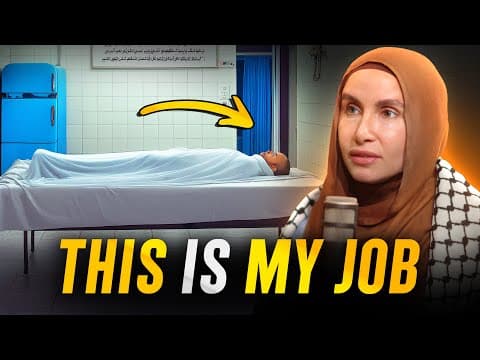
Mariam Ardati, a death doula and funeral director, emphasizes the importance of changing our perspective on death, focusing on hope and the metaphysical journey of the soul. She discusses the societal taboos surrounding death, the emotional complexities faced by the dying and their families, and the need for open conversations about mortality to foster acceptance and understanding.
Death is a topic that many people shy away from, yet it is an inevitable part of life. In a recent podcast, Mariam Ardati, a death doula and funeral director, shared her insights on the importance of discussing death openly and the role of hope in the end-of-life journey. This blog post explores her thoughts on death, the societal perceptions surrounding it, and the emotional complexities faced by those nearing the end of life.
Mariam begins by highlighting that many of the regrets faced by the dying are linked to the blessings and opportunities that were not fully utilized during their lives. In Islam, it is taught that as long as one has breath, there is time to repent and seek forgiveness. This perspective encourages individuals to focus on hope rather than fear when contemplating death.
Interestingly, Mariam points out that death is often a part of our everyday language, yet we rarely engage in meaningful conversations about it. Phrases like "I’m dying for that" or "Over my dead body" illustrate how death permeates our dialogue, yet we often ignore its reality. Mariam believes that society needs a wake-up call to address this disconnect.
A death doula, as Mariam explains, provides support similar to that of a birth doula but at the end of life. They offer practical, emotional, and spiritual support to individuals and their families as they navigate the dying process. Mariam emphasizes the need to shift our focus from the physical deterioration of the body to the metaphysical journey of the soul after death.
Mariam argues that the way we view death has changed significantly over the past century. In the past, death was a communal experience, with families caring for their loved ones at home. Today, death is often hidden away in hospitals and hospice facilities, leading to a lack of understanding and acceptance. This shift has resulted in a more sensationalized view of death, which can be more frightening than the reality.
Working in the death care sector for 18 years, Mariam has witnessed how contemplating death can profoundly change one’s perspective on life. She emphasizes the importance of living with purpose and not wasting time, as life is fleeting. The fear of death can often stem from attachment to worldly possessions and relationships, which can hinder acceptance of mortality.
Mariam acknowledges that it is natural to fear death, but she encourages individuals to manage this fear by understanding that death is a transition to another realm. She highlights the importance of addressing death anxiety, which can arise from regrets about the past or worries about loved ones left behind. By focusing on the mercy of Allah and the hope that comes with faith, individuals can find peace in the face of death.
In her role, Mariam also provides support to the families of those who are dying. Often, the dying individual has come to terms with their fate, while their family members may still be in denial. This can create tension, and Mariam works to facilitate conversations that help families understand and accept the situation.
Mariam shares poignant stories of individuals who found healing through participating in end-of-life rituals for their loved ones. These experiences can mend broken relationships and provide a sense of closure, allowing families to honor their loved ones in meaningful ways.
Mariam stresses the need for society to engage in open discussions about death. By doing so, we can demystify the process and help individuals prepare for their own mortality and that of their loved ones. This is particularly important for younger generations, who may be shielded from the realities of death.
Mariam draws parallels between the experiences of those facing death and the resilience of the Palestinian people, who maintain hope despite immense suffering. She encourages individuals to reflect on their own lives and relationships with Allah, emphasizing gratitude and purpose.
Ultimately, Mariam Ardati’s insights remind us that death is not something to be feared but rather a natural part of life that can lead to profound personal growth and understanding. By embracing the journey and fostering hope, we can navigate the complexities of life and death with grace and acceptance.
In a world that often distracts us from the reality of mortality, it is crucial to engage in conversations about death, allowing us to live more fully and authentically in the time we have left.