This blog post explores the use of derma rolling and micro-needling as treatments for hair loss, discussing their mechanisms, effectiveness, risks, and best practices for use.
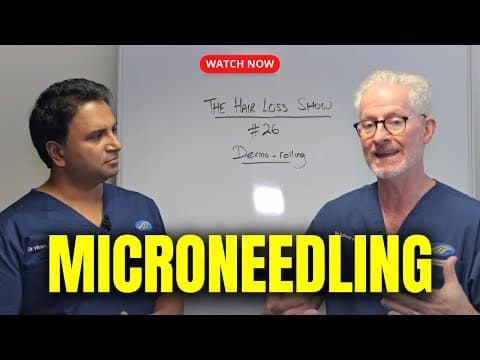
In the realm of hair loss treatments, derma rolling and micro-needling have gained attention for their potential benefits. In this episode of The Hair Loss Show, Dr. Russell Knudsen and Dr. Vikram Jayaprakash delve into these techniques, explaining how they work and their implications for hair restoration.
Derma rolling involves the use of a device equipped with tiny needles that are rolled across the skin. The term "derma" refers to skin, while "rolling" describes the action of the device. This process creates small punctures in the skin, which may sound painful, but it is based on a well-established principle of skin treatment.
The primary logic behind derma rolling is similar to that of laser therapy used in skin resurfacing. By creating controlled injuries to the scalp, derma rolling stimulates increased blood flow and the release of growth factors and inflammatory mediators. This healing response can potentially promote hair growth, as the hair follicles are part of the skin.
Derma rollers come with needles of varying lengths, typically ranging from half a millimeter to one and a half millimeters. The depth of the needle is crucial because different individuals have varying dermal thicknesses.
For hair restoration, the ideal needle depth is generally between one and one and a half millimeters. This range targets the bulge area of the hair follicle, where stem cells reside, initiating signals that promote hair growth.
While deeper needles can enhance the healing response, they also pose a risk of damaging hair follicles. Needles longer than one and a half millimeters are generally discouraged, as they can lead to excessive injury and potential hair loss.
It is essential to approach derma rolling with caution. Overuse can lead to inflammation and damage rather than improvement. Experts recommend limiting derma rolling sessions to two or three times a week, allowing adequate time for healing between treatments.
Derma rolling is often compared to other hair loss treatments, such as Platelet Rich Plasma (PRP) therapy. Both methods involve penetrating the skin, but the effectiveness of each can vary. While derma rolling can stimulate hair growth, it is not typically the first line of treatment recommended by specialists.
Derma rolling is considered an adjunct treatment, useful after exploring less invasive options like Minoxidil and laser therapy. It is important to note that while derma rolling can be beneficial, it is not a guaranteed solution for everyone.
When using a derma roller, it is crucial to target areas with early signs of miniaturization rather than completely bald patches. The skin in balding areas is often thinner and less responsive to treatment.
Derma rolling and micro-needling present promising options for individuals experiencing hair loss. While they can stimulate hair growth through controlled injury and healing, it is essential to use these techniques judiciously and in conjunction with other treatments. As with any medical procedure, consulting with a healthcare professional is advisable to determine the best approach for individual needs.