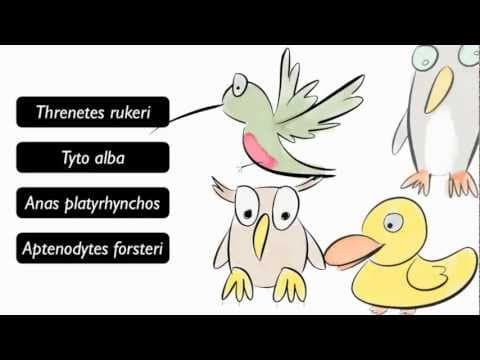
Dichotomous keys are essential tools for identifying birds and other organisms based on their characteristics. This blog post explains how to use a dichotomous key effectively, illustrated with examples of hummingbirds, penguins, ducks, and owls.
In the vast world of avian species, identifying birds can be a challenging task. While many people can easily name common birds like hummingbirds, owls, ducks, and penguins based on their physical features, recognizing their scientific names is often more complex. To aid in this process, scientists have developed a systematic approach known as a dichotomous key.
A dichotomous key is a tool that allows users to identify organisms by answering a series of questions based on observable characteristics. Each question typically presents two contrasting options, guiding the user through a logical pathway until a specific organism is identified. This method is not only applicable to birds but can also be used for various organisms and even footprints.
Using a dichotomous key is straightforward. Here’s a step-by-step guide on how to identify birds using this method, illustrated with examples of different birds.
Dichotomous keys are invaluable tools for scientists and bird enthusiasts alike, providing a structured method for identifying various species based on their characteristics. By following the logical steps outlined in a dichotomous key, anyone can learn to identify birds like hummingbirds, penguins, ducks, and owls with confidence. This systematic approach not only enhances our understanding of avian diversity but also enriches our appreciation for the natural world.