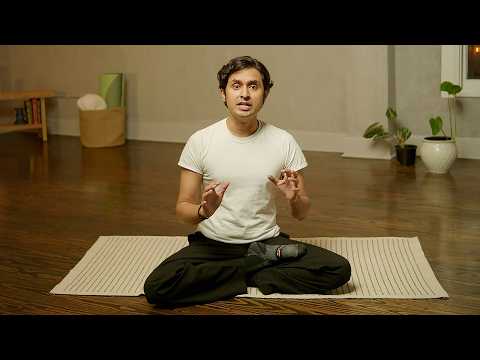
Dr. K emphasizes the importance of personalized meditation techniques tailored to individual cognitive styles, arguing that traditional one-size-fits-all methods often fail. He shares various meditation practices suited for different mental states, aiming to make meditation accessible and effective for everyone.
Meditation is often seen as a universal practice, but Dr. K argues that it should be personalized to fit individual cognitive styles. In this blog post, we will explore Dr. K's insights on meditation, why many struggle with it, and how to find the right technique for your unique mind.
Many people find meditation difficult, and Dr. K identifies a key reason for this: the unique cognitive fingerprint of each individual. Just as people have different preferences in food, color, and hobbies, they also have distinct mental processes. This diversity means that a meditation technique that works for one person may not work for another.
A prevalent mistake in meditation instruction is the assumption that one technique can suit everyone. For instance, a meditation class led by a Buddhist monk may resonate with some students while leaving others feeling disconnected. This often results in a drop-off in participation, as not everyone finds the same value in the practice.
Dr. K's extensive experience with meditation spans over 20 years and includes studying various techniques across five countries. His background as a psychiatrist has further informed his approach, allowing him to see how different meditation styles can be tailored to specific mental health needs.
Dr. K emphasizes that meditation should be approached like a medical treatment, where techniques are matched to individual needs. He notes that meditation teachers rarely make referrals to different traditions based on a student's cognitive style or goals. Instead, they often encourage persistence with a single technique, which may not be effective for everyone.
Dr. K categorizes meditation techniques based on their suitability for various mental states. Here are a few examples:
For individuals with active minds prone to anxiety or panic, Dr. K recommends breathing techniques from the yogic tradition, such as Nadi Shodhana (alternate nostril breathing) and Kapalabhati (forceful exhalation). These practices help activate the vagus nerve, reducing stress and calming the nervous system.
Conversely, for those experiencing lethargy or depression, Dr. K suggests energizing techniques like Tumo, a practice from Tibetan Buddhism. Tumo is known to increase body temperature and invigorate the mind, making it suitable for individuals who feel sluggish and unmotivated.
Dr. K also discusses Shuna meditation, which focuses on ego dissolution. This technique can be beneficial for individuals struggling with self-esteem issues or narcissistic tendencies, helping them to connect with a more neutral sense of self.
Lastly, Yoga Nidra is highlighted as a practice that induces a state of deep relaxation and autosuggestion. This technique allows individuals to implant positive affirmations into their subconscious, which can be particularly useful for those facing setbacks in life.
Dr. K's approach to meditation is rooted in the belief that everyone can find a practice that works for them. He encourages individuals not to give up on meditation, even if they have struggled in the past. The key is to explore different techniques and find one that resonates with your unique cognitive style.
Meditation does not have to be a one-size-fits-all practice. By understanding your cognitive fingerprint and exploring various techniques, you can find a meditation practice that is both effective and enjoyable. Dr. K's insights serve as a reminder that the journey to finding the right meditation technique is personal and should be approached with patience and curiosity.