Dr. Sophie Laurent, a urologist with over 25 years of experience, shares a comprehensive 6-step physiological sequence to help men understand female anatomy and enhance their partner's pleasure. Emphasizing the importance of clitoral stimulation, emotional connection, and proper timing, she addresses common misconceptions and highlights how aging affects intimacy, offering practical advice for lasting satisfaction.
Have you ever wondered if you truly understand how to help your partner experience genuine pleasure and satisfaction? This question, though rarely voiced aloud, often lingers in the minds of many men, especially those in long-term relationships. It reflects a caring attitude and a desire to deepen intimacy.
I'm Dr. Sophie Laurent, a practicing urologist specializing in men's sexual health in Canada for over 25 years. Throughout my career, I've worked with men across various age groups, from their 30s to their 70s and beyond. One consistent theme in my consultations is men's concern not just for themselves but for their partners' pleasure and satisfaction.
Today, I want to explore a topic that extends beyond typical men's health discussions but is crucial for overall sexual fulfillment: understanding female anatomy and the science behind female pleasure.
This discussion is particularly relevant for men over 50, 60, and 70 who remain deeply invested in being good partners and seek to understand the physiological changes that occur with age. You're not alone in your curiosity, and there's no shame in wanting to learn.
Research indicates that a significant number of women across all ages have admitted to faking orgasms at some point, often to protect their partners' feelings. This statistic surprises many men but also motivates them to seek a deeper understanding.
The key to genuine confidence lies not in secret techniques but in a fundamental understanding of female anatomy and physiology. It's about knowing what to stimulate, when, in what sequence, and how this sequence may evolve as both partners age.
By understanding this physiological sequence, you can unlock a profound level of intimacy and pleasure for both you and your partner. This approach focuses on connection, communication, and shared satisfaction grounded in scientific knowledge.
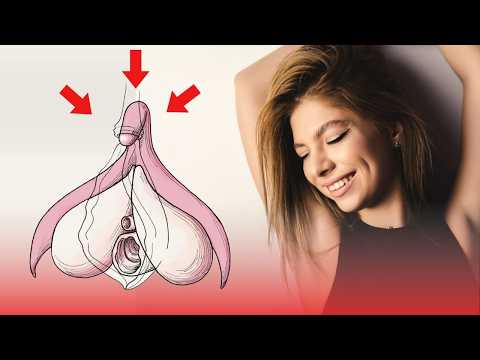
The clitoris is often misunderstood and underrepresented in medical education, yet it is the most critical component for female orgasm. The visible part is just the tip of a much larger, complex internal structure composed of erectile tissue similar to male anatomy.
The clitoral glans contains over 8,000 nerve endings, more than double the density found in the penis, making it the most sensitive erogenous zone in the human body. Studies show that for 70-80% of women, direct clitoral stimulation is essential for orgasm.
Relying solely on penetration is a common misconception that leads to frustration. Prioritizing clitoral stimulation with patience and a gentle touch initially is crucial. As arousal builds, pressure and intensity can increase gradually.
As women enter perimenopause and menopause, estrogen levels drop, affecting vaginal tissue, lubrication, and clitoral sensitivity. This doesn't eliminate pleasure but requires greater patience and attentiveness.
Rushing intimacy becomes counterproductive with age. Men who adapt to these changes often report the most satisfying intimate relationships, benefiting from emotional maturity and presence.
The G-spot, or Gräfenberg spot, is a sensitive area on the anterior vaginal wall about 1 to 3 inches inside the vaginal entrance. It corresponds to the urethrovaginal sponge and parts of the internal clitoral structure.
When stimulated properly, the G-spot swells and becomes more textured and responsive. It responds best to firm, consistent pressure, often applied with a "come here" finger motion.
G-spot stimulation produces a deeper, internal sensation distinct from clitoral stimulation and can lead to powerful orgasms, sometimes with female ejaculation.
However, stimulating the G-spot without prior arousal may feel neutral or uncomfortable, sometimes resembling the sensation of needing to urinate. Timing is critical; adequate arousal must precede G-spot stimulation.
Before physical stimulation, emotional arousal is essential. Genuine conversation, eye contact, shared humor, or simply being fully present primes the nervous system for pleasure. The parasympathetic nervous system, which governs relaxation and arousal, must be engaged first.
For older couples, this emotional attunement deepens intimacy beyond youthful experiences.
Clitoral stimulation is the primary gateway to arousal. Whether manual, oral, or with a vibrator, the goal is gradual arousal buildup. Increased blood flow enhances sensitivity throughout the pelvic region, preparing the G-spot and vagina.
Skipping this step undermines the entire process.
Light stimulation of the inner thighs, lower back, and breasts broadens sensory experience and increases dopamine and oxytocin, neurochemicals vital for arousal and emotional connection. This also allows your partner to relax and feel cared for beyond orgasm goals.
Only after substantial arousal should you explore the G-spot. The tissue will be engorged and responsive to deeper, rhythmic stimulation.
Every woman is different; some enjoy G-spot stimulation, others find it less pleasurable or uncomfortable. Communication and observation of your partner's responses are key.
Penetration should be viewed as the culmination of the sequence, not the beginning. Penetration alone rarely leads to orgasm without prior clitoral stimulation.
Combining clitoral stimulation with penetration, known as blended stimulation, enhances orgasm frequency and intensity.
For older men concerned about stamina, remember that attentiveness, patience, and understanding outweigh raw physical endurance.
After intimacy, oxytocin levels remain high, creating a critical window for emotional bonding. Holding your partner, talking, and staying present for 10-15 minutes reinforces safety and connection.
This "pillow talk" is linked to higher relationship satisfaction and increased sexual desire over time. Avoid distractions like phones during this precious time.
Assuming penetration alone is enough: Less than 25% of women orgasm through intercourse alone. Clitoral stimulation is foundational.
Poor timing: Stimulating the G-spot or penetrating before sufficient arousal leads to discomfort.
Assuming past experiences apply indefinitely: Bodies change with age; ongoing communication is essential.
Neglecting emotional presence: Distraction or performance anxiety undermines intimacy.
Your role in intimacy is not to perform but to connect. The most satisfying relationships come from tuning in, reading body language, noticing breathing, and staying curious.
Sexual confidence arises from presence, preparation, and genuine care, not ego.
Men often worry if aging diminishes their ability to satisfy their partner. Physical stamina is just one factor; emotional maturity and attentiveness are more important.
There is no safe, effective over-the-counter product that significantly increases penis size. Many products exploit insecurities without delivering results.
Focus on cardiovascular health, diet, sleep, stress management, and communication to support sexual health.
If you have concerns about erectile function or libido, consult your doctor for evidence-based solutions.
Sexual satisfaction is about safety, trust, confidence, patience, and presence. These qualities can be developed at any age and often deepen over time.
By understanding female anatomy, respecting physiological sequences, and fostering emotional connection, you can enhance intimacy and pleasure for both you and your partner.
Thank you for taking the time to understand this important aspect of relationships. Stay curious, stay connected, and take good care of yourselves and your loved ones.
Dr. Sophie Laurent