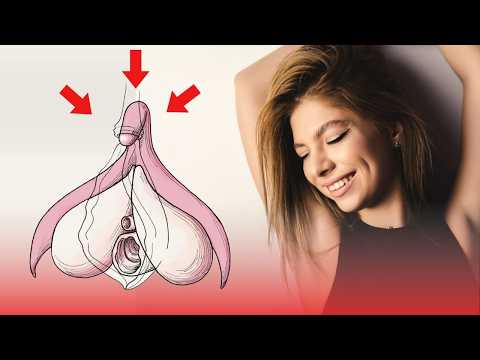
This blog post explores the anatomy of female pleasure, focusing on the clitoris, G-spot, and the importance of arousal. It discusses common misconceptions, practical techniques for enhancing intimacy, and the psychological factors affecting female pleasure. The post emphasizes communication, patience, and understanding individual preferences to improve sexual experiences for both partners.
Did you know that only 65% of women experience orgasm during sex compared to 95% of men? This disparity is not due to women's complexity but rather a lack of education about female anatomy and pleasure. In this post, we will delve into the science behind female pleasure, covering anatomy, arousal, the truth about the G-spot, and practical techniques to enhance intimacy.
The entire external genital area is called the vulva, which includes the outer lips (labia majora) and inner lips (labia minora). These structures can vary significantly in size, shape, and color among individuals. The clitoris, located above the urethra and vagina, is a key player in female pleasure. Covered by a clitoral hood, the clitoris is the only organ in the human body dedicated solely to pleasure, boasting over 10,000 nerve endings—twice as many as the head of the penis.
Interestingly, the clitoris and penis develop from the same tissue, making them homologous organs. This means that what feels good for a man can often be a good starting point for understanding female pleasure.
The G-spot, named after Dr. Ernst Grafenberg, is often misunderstood. It is not a specific spot but rather a zone located 1 to 2 inches inside the vagina on the anterior vaginal wall. This area contains the internal parts of the clitoris, the urethra, and the Skene's glands, which can provide pleasurable sensations when stimulated. However, the G-spot has fewer nerve endings than the clitoris, making clitoral stimulation generally more pleasurable.
Arousal is a crucial aspect of female pleasure. It typically takes women between 15 to 45 minutes to become fully aroused, compared to the quicker arousal time for men. During arousal, blood flow to the genitals increases significantly, causing the clitoris to swell and the vaginal walls to produce lubrication. Understanding this process is essential for enhancing sexual experiences.
Many people mistakenly believe that wetness indicates arousal. However, lubrication can be influenced by various factors, including hormonal cycles, medications, and stress. Therefore, using lubricant can enhance comfort and pleasure during sex.
To ensure a satisfying sexual experience, it is vital to incorporate foreplay, which should last at least 15 minutes. This can include kissing, touching, and oral stimulation. Pay attention to your partner's responses—her breathing, sounds, and body movements will provide valuable feedback.
Communication is key. Asking your partner what feels good and encouraging her to guide your movements can significantly enhance intimacy. Remember, sex is not just about reaching orgasm; it is about the journey and connection between partners.
Don't limit your focus to the genitals. Explore other sensitive areas such as the neck, ears, breasts, and inner thighs. This exploration can lead to heightened arousal and more intense orgasms.
Women often require a sense of emotional safety and relaxation to reach orgasm. Stress and anxiety can hinder sexual enjoyment. Therefore, fostering intimacy outside the bedroom—through affectionate gestures and supportive communication—can enhance sexual experiences.
To enhance your sexual experiences, plan an intimate session focused solely on your partner's pleasure. Explore what feels good without the pressure of penetration or orgasm. Remember, sex is a skill that improves with practice and attention. By fostering communication, understanding, and patience, you can create a fulfilling sexual relationship that prioritizes pleasure for both partners.