This blog post explores the processes of glacial erosion, including glacial abrasion and plucking, and how they shape landscapes, creating features such as cirques, U-shaped valleys, and fjords. It highlights the distinct characteristics of glacial valleys compared to river valleys and discusses the formation of various geological features resulting from glacial activity.
Glacial erosion is a fascinating natural process that shapes our landscapes in remarkable ways. While water is known for its erosive capabilities, ice takes this to another level, creating spectacular scenery through two primary processes: glacial abrasion and plucking. This blog post delves into how glaciers erode the landscape and the unique features they create.
Glaciers are powerful agents of erosion. They can grind away the rock beneath them through a process known as glacial abrasion. This occurs as the glacier moves, dragging along debris and sediment that scours the underlying rock. Additionally, glaciers can also pluck pieces of rock from the landscape, effectively carrying them away as they advance.
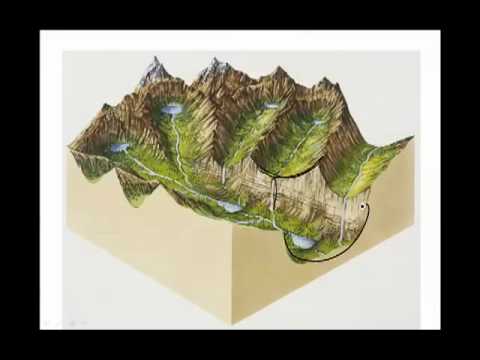
At the top of a glacier lies a circular area known as a cirque. This is where snow accumulates and begins to erode the surrounding rock. The process of plucking occurs here, as the glacier grabs onto rocks and carries them away. The back wall of the cirque, known as the headwall, becomes very steep due to continuous erosion. Over time, freezing and thawing cycles cause rocks to break off and tumble down, further contributing to the glacier's load of sediment.
As glaciers move over rock surfaces, they leave behind distinct marks known as striations. These scratches indicate the direction of the glacier's flow and can even polish the rock beneath it. For example, granite surfaces can become incredibly smooth after being traversed by glacial ice, showcasing the glacier's powerful erosive capabilities.
One of the most striking features of glacial erosion is the formation of U-shaped valleys. Unlike river valleys, which tend to have a V-shape, glacial valleys are characterized by steep sides and a broad base. This distinct shape is a clear indicator of glacial activity. A valley that appears U-shaped is a telltale sign that it was carved by a glacier, not a river.
After the snow melts, cirques can often form lakes known as tarns. These depressions collect water, creating beautiful alpine lakes that are often surrounded by steep cliffs. The presence of multiple tarns in a glacial valley can resemble a string of beads, leading to the term "rosary lakes" for these series of lakes.
Hanging valleys occur when tributary glaciers feed into a larger glacial valley but do not carve down to the same level. This results in tributary valleys that are elevated above the main glacial trough. An example of this is Bridal Veil Falls, where a tributary glacier's valley hangs high above the main valley, creating a stunning waterfall.
Fjords are long, narrow bays carved by glaciers that have since been flooded by the ocean. When glaciers reach the sea, they can break off into icebergs, leading to the formation of these unique coastal features. The Try Arm Fjord in Alaska is a prime example, showcasing the remnants of glacial activity that once filled the area with ice.
When a mountain is surrounded by cirques, it can develop steep sides, resulting in a sharp-edged peak known as a horn. The Matterhorn is a famous example of this geological feature. Additionally, ridges formed between glacial valleys are called aretes, which are characterized by their steep sides and sharp edges.
Glacial erosion is a powerful force that has shaped many of the landscapes we see today. From cirques and U-shaped valleys to fjords and hanging valleys, the evidence of glacial activity is all around us. Understanding these processes not only enhances our appreciation of nature but also highlights the dynamic forces that have sculpted our planet over millennia. As we explore these stunning landscapes, we are reminded of the intricate relationship between ice, rock, and time.