This blog post explores the concept of globalization, its enabling factors, and the liberalization of foreign trade and investment policies in India, highlighting the role of multinational companies and the evolution of trade barriers.
In this blog post, we will delve into Chapter 4 of Class 10 Economics, focusing on globalization and its implications for the Indian economy. We will explore the definition of globalization, the factors that have enabled it, and the liberalization of foreign trade and investment policies in India.
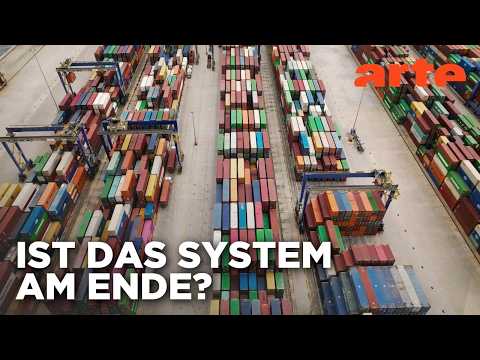
Globalization refers to the process of rapid integration and interconnection between countries. Over the past two to three decades, many multinational companies (MNCs) have been seeking locations around the world that offer cheaper production costs. This has led to an increase in foreign investment in these countries, with a significant portion of foreign trade being conducted by MNCs.
For instance, in India, MNCs play a crucial role in the globalization process. There is a growing exchange of goods, services, investments, and technology among countries. Compared to a few decades ago, the world is now more interconnected, with the movement of goods, services, investments, and technology being more fluid.
Another aspect of globalization is the movement of people between countries. Individuals often travel for better income, job opportunities, and education. However, various restrictions over the years have limited the increase in movement between countries.
Several key factors have contributed to the success of globalization:
Rapid improvements in technology, particularly in transportation and telecommunications, have played a significant role in globalization. Over the last 50 years, advancements in transportation technology have made it possible to deliver goods quickly and at lower costs over long distances.
Moreover, recent developments in telecommunications, computers, and the internet have transformed how we connect with one another. Mobile phones and satellite communication devices have become ubiquitous, facilitating instant communication across the globe. The internet allows for the easy sharing and obtaining of information, making it a vital tool in the globalization process.
Liberalization refers to the removal of barriers and restrictions imposed by the government on foreign trade and investment. To understand this concept better, let’s consider the example of importing Chinese toys into India. If the Indian government imposes a tax on these imports, the cost of Chinese toys will increase, making them less affordable for consumers. Consequently, this would reduce the import of Chinese toys, benefiting Indian toy manufacturers.
Trade barriers, such as taxes on imports, are limitations set by the government that affect the free flow of goods. The Indian government imposed restrictions on foreign trade and investment after independence to protect domestic producers from foreign competition. During the 1950s and 1960s, these restrictions were deemed necessary as the industry was still developing.
However, significant changes occurred around 1991 when the Indian government recognized the need for domestic producers to compete with international producers. This shift was supported by powerful international organizations, leading to a reduction in restrictions on foreign trade and investment. As a result, goods could be imported and exported more freely, and foreign companies could establish factories and offices in India.
In summary, globalization has transformed the Indian economy by fostering greater integration with the global market. The advancements in technology and the liberalization of trade and investment policies have enabled this process, allowing for increased competition and improved performance among domestic producers. As we continue to navigate the complexities of globalization, it is essential to understand its implications for our economy and society.