This article explores the concept of hollow orgasms experienced due to limited pelvic floor movement following a medical procedure. It discusses the physical sensations, emotional responses, and psychological impacts of restricted orgasmic range, contrasting it with full-range orgasms. The article also highlights the importance of connection, the nervous system's role, and offers insights into resolving these experiences through comprehensive education and practice.
Before diving into the topic, it's important to acknowledge the deep connection and love shared between the individuals discussing this experience. The journey into understanding hollow orgasms is both personal and enlightening.
The term "hollow orgasm" refers to a type of orgasm that leaves one feeling empty or incomplete. This experience was notably observed following a medical procedure that required limiting the range of pelvic floor movement during orgasm. The restriction meant that the individual could only "pull up" but not "bear down" in the pelvis, affecting not only exercise and bathroom activities but also intimate moments.
Pelvic floor movement plays a crucial role in sexual experiences, especially in practices like suction sex where full range is important. Limiting this range led to significant changes in sexual sensations and experiences. The individual, accustomed to full pelvic movement throughout life, found the new experience frustrating and confusing.
Despite having multiple orgasms, the sensations felt different. The orgasms were described as "hollow," lacking the fullness and depth of previous experiences. There was a flash of pleasure, but it was often followed by irritation and a feeling of incompleteness.
The restricted movement also led to a need for longer pauses after orgasm, sometimes resulting in a desire to stop sexual activity altogether shortly after climax.
The experience brought about feelings of vulnerability, frustration, and insecurity. There was fear of injury, concern about losing a partner's interest, and a sense of becoming "broken." Unlike the usual relaxed and loving state following a full orgasm, these hollow orgasms induced nervousness and a sense of disconnection.
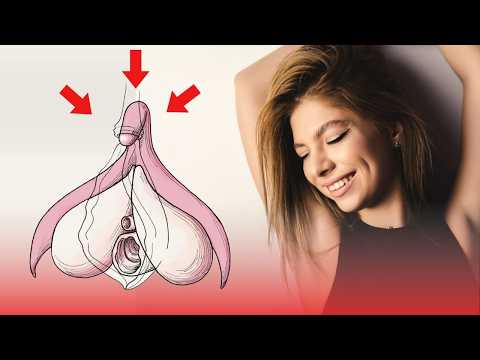
The hollow orgasm resembled the type of orgasm associated with clitoral stimulation alone, where the vagina elongates and contracts until subsiding, and the cervix pulls away. This contrasts with orgasms involving full pelvic floor engagement.
Clients and partners often describe similar experiences where sex feels like a task to be completed rather than a deeply satisfying connection.
The hollow orgasm experience aligns with a sympathetic nervous system response, characterized by arousal, erection, plateau, climax, and then a quick finish. This contrasts with parasympathetic states, which involve rolling orgasms, full-body sensations, and a sustained desire for connection and intimacy.
The sympathetic response often leads to increased orgasm frequency and strength but decreased sexual desire afterward, akin to feeling full after a large meal and not wanting more.
Efforts to stimulate the clitoris externally and engage the pelvic floor through squeezing and pulling up produced intense but short-lived pleasure. The individual found it difficult to tolerate prolonged stimulation, often feeling overstimulated or "zappy".
Introducing deeper internal stimulation, such as finger insertion targeting areas like the A-spot or Venus plexus, initially increased intensity but also overwhelmed the system due to the inability to coordinate pelvic floor movement with breath and relaxation.
Touching certain areas, such as above the pubic bone, revealed stored tension and emotional energy. This area, often associated with period pain and tension, when stimulated, can lead to both physical release and emotional flow.
The experience highlighted the interconnectedness of physical and emotional aspects of sexual pleasure and the importance of embodiment.
The restricted orgasmic experience brought to light common challenges faced in partnered sex, including emotional turmoil, physical tension, and psychological barriers.
It emphasized that sexual experiences vary widely and that what is often taught in mainstream sexual education may not encompass the full spectrum of pleasure and connection.
To resolve these challenges and expand the range of pleasurable experiences, comprehensive education and practice are essential. Programs like Embodied Love University offer foundational knowledge and techniques based on clinically tested, peer-reviewed studies.
Exploring these resources can help individuals and couples understand anatomy as a complete system of pleasure, address emotional and physical barriers, and discover new dimensions of intimacy.
Hollow orgasms, characterized by limited pelvic floor movement and a sense of emptiness, provide valuable insights into the complexity of sexual pleasure. Recognizing the physical, emotional, and psychological components involved opens the door to deeper connection and more fulfilling experiences.
By embracing education, communication, and exploration, individuals can move beyond hollow sensations toward richer, more satisfying intimacy.
For those interested in a deeper dive, advanced resources and guided practices are available to support this journey toward embodied love and pleasure.