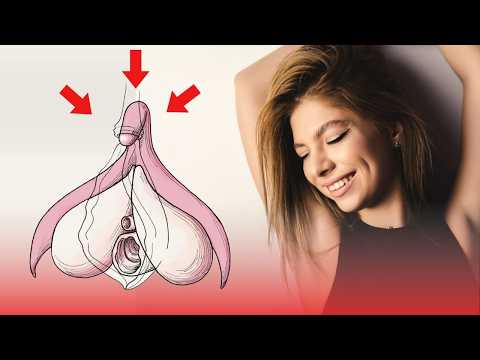
Male and female arousal systems operate on fundamentally different biological mechanisms. Male arousal is primarily spontaneous, driven by testosterone, and occurs quickly with a refractory period after climax. Female arousal is responsive, relies on a mix of hormones, takes longer to develop, and lacks a refractory period. Understanding these differences helps couples support each other's sexual health effectively.
The male and female bodies are built differently in many ways, but one of the most significant biological differences lies in how the arousal system functions. The brain pathways, hormonal triggers, timing, and physiological responses all operate through completely different mechanisms in men and women. Understanding these biological differences can clarify many common misunderstandings between the sexes.
There are two primary arousal response patterns identified by medical researchers:
Spontaneous Response Pattern: Dominant in most men, this pattern involves the brain initiating arousal independently. Visual signals, thoughts, or hormonal triggers can activate the system quickly, with the body following within minutes.
Responsive Response Pattern: Dominant in most women, this pattern requires the body to first receive the right physiological signals before the brain follows. The brain does not initiate arousal independently.
This distinction is foundational to understanding male and female arousal systems.
Testosterone is the primary hormone driving the spontaneous arousal pattern. Men typically have testosterone levels 10 to 20 times higher than women, which keeps their spontaneous response system constantly activated. Women produce testosterone too, but at much lower levels. Instead, their arousal system relies more on estrogen, progesterone, and oxytocin, creating a different biological architecture that requires different inputs to activate.
Modern brain imaging research shows that male and female brains process arousal signals through different neural pathways:
The male arousal cycle from initial signal to full physiological readiness typically takes 2 to 5 minutes. In contrast, the female arousal cycle takes 15 to 25 minutes on average. This timing difference is a biological reality consistently observed in research.
In men, arousal causes blood flow to redirect to the pelvic area. Blood vessels relax through nitric oxide signaling, resulting in firmness within minutes. The cardiovascular and nervous systems engage quickly.
In women, arousal triggers a more complex biological sequence:
These changes take significantly longer than the male response.
After climax, men enter a refractory period during which the nervous system blocks further response. This period varies by age—from minutes in younger men to hours in men over 50. Women do not have an equivalent refractory period, allowing for multiple climax responses and quicker return to arousal.
Healthy testosterone and strong blood flow support reliable spontaneous responses. Declines in these factors weaken the system.
Because the female system is responsive, it depends heavily on the right emotional and environmental inputs to activate.
The male system declines somewhat predictably with age, primarily due to drops in testosterone and changes in cardiovascular function. These changes are measurable and well understood medically.
The female system changes differently with age. Menopause significantly alters the hormonal foundation, with estrogen dropping and affecting tissue health and natural lubrication. However, the responsive arousal system often remains functional throughout life. Many women report that their arousal capacity does not decline as much as commonly assumed, though it requires different conditions than in younger years.
When men assume their partner's arousal works on the same timing as their own, a biological mismatch occurs. A man may feel ready when his partner is not, which is not a problem of attraction or interest but a difference in nervous system architecture.
Understanding this medical reality allows couples to adjust their approach:
Modern sexual health medicine emphasizes that understanding these differences is foundational for long-term reproductive health in couples.
Supporting healthy circulation, hormonal balance, and stress management benefits both male and female arousal systems. Key lifestyle factors include:
These foundations support arousal function across every stage of life.
Understanding the biology behind male and female arousal systems can improve communication, intimacy, and sexual health in relationships. Recognizing that these differences are rooted in biology—not desire or attraction—helps foster empathy and patience between partners.
This comprehensive knowledge empowers couples to create supportive environments that respect each other's unique physiological needs.