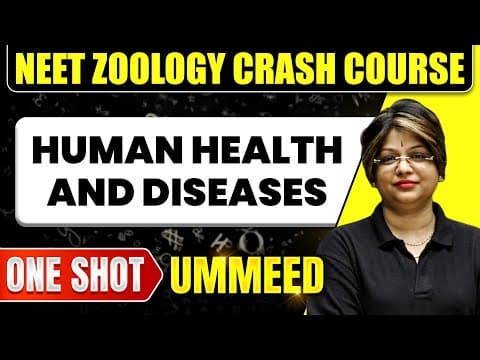
Human health is a complex interplay of various factors, including genetics, environment, and lifestyle choices. This guide aims to provide a comprehensive overview of human health and diseases, focusing on key concepts, types of diseases, their causes, and preventive measures.
Importance of Health
Health is not merely the absence of disease; it encompasses physical, mental, and social well-being. Factors affecting health include:
- Genetic Disorders: Conditions like Down syndrome, Turner syndrome, and sickle cell anemia.
- Infectious Diseases: Diseases caused by pathogens such as bacteria, viruses, and parasites.
- Lifestyle Choices: Poor diet, lack of exercise, and inadequate sleep can lead to health issues.
Types of Diseases
Diseases can be broadly categorized into two types:
- Infectious Diseases: Caused by pathogens and can spread from one person to another.
- Non-Infectious Diseases: These include genetic disorders, lifestyle diseases, and cancers.
Infectious Diseases
Infectious diseases are caused by various pathogens:
- Bacterial Diseases: Examples include typhoid (caused by Salmonella typhi) and pneumonia (caused by Streptococcus pneumoniae).
- Viral Diseases: Common cold (caused by rhinovirus), dengue (caused by dengue virus), and chickenpox (caused by varicella-zoster virus).
- Protozoal Diseases: Malaria (caused by Plasmodium species) and amoebic dysentery (caused by Entamoeba histolytica).
Non-Infectious Diseases
Non-infectious diseases include:
- Cancers: Characterized by uncontrolled cell growth. They can be benign (non-spreading) or malignant (spreading).
- Autoimmune Diseases: Conditions where the immune system attacks the body’s own cells, such as rheumatoid arthritis and lupus.
Causes of Diseases
The causes of diseases can be classified into:
- Genetic Factors: Inherited conditions that predispose individuals to certain diseases.
- Environmental Factors: Exposure to toxins, pollutants, and pathogens.
- Lifestyle Factors: Diet, physical activity, and stress levels.
Immunity and Health
Immunity plays a crucial role in maintaining health. It can be classified into:
- Innate Immunity: The body’s first line of defense, which includes physical barriers like skin and mucous membranes.
- Adaptive Immunity: Develops over time and involves the production of antibodies by B cells and the activation of T cells.
Types of Immunity
- Active Immunity: Developed through exposure to pathogens or vaccination.
- Passive Immunity: Acquired through maternal antibodies or antibody injections.
Preventive Measures
Preventing diseases involves:
- Vaccination: Immunization against infectious diseases.
- Hygiene Practices: Maintaining personal and public hygiene to reduce the spread of pathogens.
- Healthy Lifestyle Choices: Eating a balanced diet, exercising regularly, and managing stress.
Conclusion
Understanding human health and diseases is essential for promoting well-being and preventing illness. By recognizing the importance of immunity, the impact of lifestyle choices, and the role of various pathogens, individuals can take proactive steps towards maintaining their health. Regular check-ups, vaccinations, and awareness of health issues are vital components of a healthy lifestyle.