This blog post explores the historical context of inflation in the United States, comparing past and present trends, and discusses the implications for the purchasing power of the US dollar, housing market dynamics, and wage growth, while emphasizing the importance of investing to protect wealth.
Inflation is a phenomenon that has significantly impacted the economy over the decades, affecting the purchasing power of the dollar and the financial well-being of everyday Americans. This post delves into the historical context of inflation, particularly focusing on the changes from the 1970s to the present day, and examines current trends that may shape the future of the economy.
In 1972, the median price of a home was approximately $22,000. By 1982, this figure had tripled to $66,000. Similarly, the price of a barrel of oil surged from $3 in 1972 to $30 in 1982. If you had $1,000 in 1972, it would have lost about 60% of its value by 1982, equating to a mere $400 in purchasing power. This stark reality illustrates the destructive impact of inflation on savings.
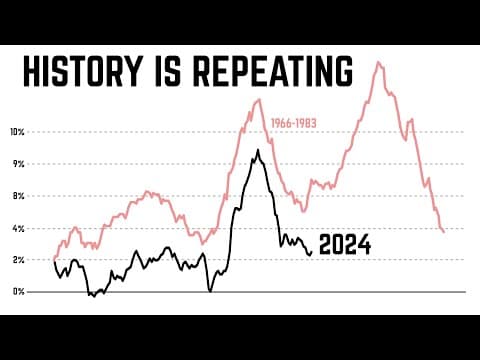
The inflation experienced during the late 1970s and early 1980s was unprecedented, with the US dollar losing significant purchasing power. Fast forward to recent years, and we see a similar trend emerging. Since June 2020, the US dollar has lost approximately 20% of its purchasing power, with home prices increasing from $320,000 to $420,000—a 30% rise—and the price of a loaf of bread jumping from $1.40 to $2, marking a 40% increase.
As of now, inflation in the United States stands just above 3%. While this is a decrease from previous highs, concerns linger about its potential resurgence. The current inflation rate mirrors the levels seen in 1972, which preceded a decade of soaring inflation. This raises questions about whether the worst is yet to come for the purchasing power of the US dollar.
To understand inflation, it is crucial to examine the Consumer Price Index (CPI), which measures the average change over time in the prices paid by consumers for goods and services. The CPI includes essential items such as shelter, food, and medical services, but excludes financial assets like gold and stocks, which do not directly impact day-to-day budgets.
The core CPI, which strips out food and energy prices, is often preferred by central banks like the Federal Reserve for its stability. However, the core inflation rate has remained stubbornly high, primarily driven by rising shelter costs. Although home prices have shown signs of cooling, the lagging nature of government data means that the CPI may not yet reflect these changes.
The housing market has cooled considerably over the past couple of years, with existing home sales at depressed levels due to high mortgage rates and a weakening economy. This trend suggests that home prices may remain stable or decline in the near future. The relationship between home sales and prices indicates that a decrease in sales typically leads to lower prices, a pattern we are currently witnessing.
Wage growth has been a significant factor in the inflation equation. Following the pandemic, wage growth reached its highest levels in 25 years, contributing to persistent inflationary pressures. However, recent trends indicate a decline in job openings, which may lead to a slowdown in wage growth. This is crucial because higher wages often lead to increased consumer spending, further driving inflation.
Food and energy prices are critical components of inflation, as they directly affect the cost of living. Rising prices in these sectors can lead to demands for higher wages, creating a cycle of inflation. Historical events, such as the oil shocks of the 1970s, illustrate how geopolitical tensions can exacerbate inflationary pressures.
Despite the current concerns surrounding inflation, there is no strong evidence suggesting an imminent acceleration of inflation in the United States. However, the US dollar will likely continue to lose purchasing power at a standard rate. This reality underscores the importance of investing to protect wealth.
At Bravo's Research, we focus on speculating on asset prices based on market knowledge, providing trades with favorable odds for returns while managing risks effectively. As we navigate through these economic challenges, it is essential to stay informed and proactive in wealth management strategies.