Dr. Jennifer, a medical practitioner, shares her experience and expertise on powerful manual stimulation techniques that can lead to intense orgasms. She explains the biology behind female pleasure, common mistakes to avoid, and details seven foundational techniques that build towards deeper arousal and climax. The article emphasizes patience, hygiene, and responsive intimacy for enhanced sexual experiences.
Last week, Dr. Jennifer, a medical practitioner with years of study in sexual mechanics and anatomy, experienced one of the most intense orgasms of her life. Surprisingly, this powerful experience was achieved without the use of toys or oral stimulation—only through skilled manual techniques. In this article, Dr. Jennifer takes us behind the curtain to explore these techniques, grounded in biology and clinical experience.
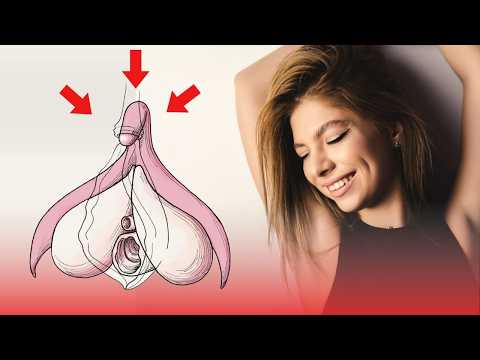
The clitoris is a highly sensitive organ containing over 8,000 nerve endings, more than double the number found in the penis. Approximately 75% of women require direct clitoral stimulation to reach climax. This is a physiological fact, not an opinion.
Fingers are highly adaptable tools that can adjust pressure in real time and respond to the body moment by moment. Manual stimulation is not just a physical skill but a language of intimacy.
Dr. Jennifer has developed a comprehensive guide covering 15 manual stimulation techniques, with detailed illustrations. Here, she explains the first seven techniques, starting from technique seven and working down to the core experience at technique one. Each step builds the physiological foundation for the next, culminating in powerful, full-body releases.
This external technique involves using two fingers to gently arc over the clitoral hood in a side-to-side motion, similar to windshield wipers on a car. The goal is to tease the nerve endings beneath the hood, gradually increasing sensitivity without directly stimulating the clitoral glands.
A high-speed, ultra-light flutter using just the fingertips against the labia minora. This creates a subtle humming sensation that builds a vibrating sense of arousal deep in the pelvis.
Patience is key here. Instead of rushing toward climax, start by running fingertips along the inner thighs, hip bones, and the crease where the leg meets the pelvis with feather-light pressure. This increases blood flow to the tissue and builds anticipation, making the body more responsive when direct stimulation begins.
Before moving to internal stimulation, Dr. Jennifer highlights three frequent mistakes:
Hand Hygiene: Beyond cleanliness, long nails or rough edges can cause micro-tears in delicate tissue, turning pleasure into discomfort. Nails should be trimmed and filed smooth.
Piston vs. Pulse: Avoid repetitive thrusting motions that mimic penetration. Instead, use rhythmic curling motions to engage the nervous system.
Excessive Clitoral Pressure: The clitoris is extremely sensitive. Aggressive rubbing or strong pressure can be overwhelming or painful. Always begin gently and adjust based on response.
Place the pad of your finger flat against the clitoris and apply gentle pressure, then release slowly, mimicking a heartbeat. Avoid rubbing; focus on rhythmic compression and release.
Locate the textured, spongy area approximately two inches inside on the front wall of the vagina. Use a small, deliberate curling motion of the fingertip as if beckoning. Maintain consistency if the body responds positively.
Increase intensity by using the thumb to provide external clitoral stimulation while the middle finger performs the internal curling motion. When synchronized, these two forms of stimulation can produce very strong orgasms, including involuntary muscle contractions and shaking.
This technique emphasizes progression and control by combining previous techniques gradually, building intensity in stages rather than rushing toward climax. Discipline is essential to allow arousal to rise steadily, creating deeper and more powerful release.
While these techniques provide a structured approach to manual stimulation, Dr. Jennifer stresses that every individual is different. The real connection happens when you move beyond mechanical steps and begin responding to her breathing, movements, and feedback. This responsive interaction is where true intimacy begins.
Dr. Jennifer's insights and techniques offer a comprehensive understanding of manual stimulation that can significantly elevate sexual experiences. By respecting biology, avoiding common mistakes, and practicing patience and responsiveness, partners can explore deeper arousal and multiple orgasms safely and effectively.
For those interested, Dr. Jennifer has created a complete guide covering all 15 techniques with detailed illustrations, available in the description of her original video.
Dr. Jennifer signs off with an invitation to continue exploring these topics in future discussions, emphasizing the importance of education and open communication in sexual health and pleasure.