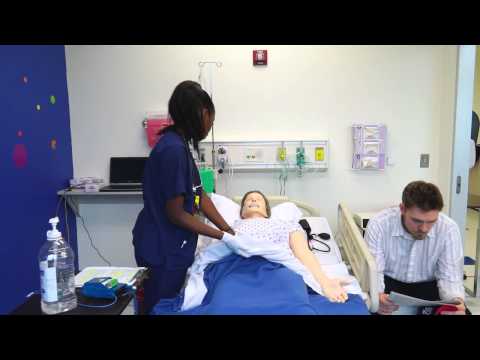
This blog post details a nursing simulation scenario involving a patient with nausea, vomiting, and dehydration due to chemotherapy for colon cancer. It outlines the nurse's approach to conducting a physical assessment, gathering vital signs, and addressing the patient's needs while ensuring effective communication with both the patient and their family.
In the realm of nursing education, simulation scenarios play a crucial role in preparing future nurses for real-world patient interactions. This blog post explores a detailed nursing simulation scenario involving a patient named Mr. Curtis Counts, who presents with nausea, vomiting, and dehydration, compounded by a history of colon cancer and recent chemotherapy treatments.
Mr. Counts is a patient who has been struggling with severe nausea and vomiting for the past three days, leading to dehydration. His medical history includes colon cancer, for which he has been undergoing chemotherapy. The nurse, Kristen, initiates the assessment process to gather necessary information and provide appropriate care.
Upon entering the room, Nurse Kristen introduces herself and explains her purpose for the visit. She emphasizes the importance of completing the admission database and conducting a physical assessment, despite Mr. Counts feeling exhausted and overwhelmed by previous inquiries from the doctor.
Nurse Kristen asks Mr. Counts to confirm his name and date of birth, ensuring proper identification. Mr. Counts responds affirmatively, indicating he is aware of his surroundings and the reason for his hospital visit.
Nurse Kristen begins the assessment by checking Mr. Counts' vital signs. She notes his elevated heart rate of 114 beats per minute, which is likely a compensatory response to dehydration. The nurse also checks his blood pressure and temperature, confirming that his temperature is normal at 98.6°F.
During the assessment, Mr. Counts describes his symptoms, including persistent vomiting and diarrhea, which he reports occurring seven to eight times a day. Nurse Kristen listens attentively, acknowledging the severity of his condition and the impact of chemotherapy on his health.
Nurse Kristen proceeds with the physical examination, focusing on Mr. Counts' abdomen and lung function. She gently palpates his abdomen, noting areas of tenderness, particularly in the left lower quadrant, which raises concerns about potential tumors.
The nurse checks Mr. Counts' lung sounds and heart function, asking him to take deep breaths. She observes that his lung sounds are clear, and there are no signs of congestion. Additionally, she assesses his heart rate and rhythm, confirming that they are stable despite his overall condition.
To evaluate Mr. Counts' hydration status, Nurse Kristen performs a skin turgor test, noting that his skin takes longer than normal to bounce back, indicating dehydration. She reassures him that the IV fluids he is receiving will help improve his condition.
Throughout the assessment, Mr. Counts' son is present, and Nurse Kristen ensures to include him in the conversation. She explains the procedures and findings, fostering a supportive environment for both the patient and his family.
As the assessment nears completion, Nurse Kristen checks Mr. Counts' neurological status by assessing his pupils and their reaction to light. She also evaluates his extremities for circulation and sensation, noting some numbness in his feet, which she attributes to the effects of chemotherapy.
Before leaving, Nurse Kristen ensures that Mr. Counts is comfortable and has access to the call button for any further needs. She reassures him that he can rest and that she will return to complete any remaining paperwork and address any additional questions.
This nursing simulation scenario highlights the importance of thorough assessments, effective communication, and compassionate care in nursing practice. By engaging with the patient and their family, nurses can create a supportive environment that fosters healing and comfort during challenging times.