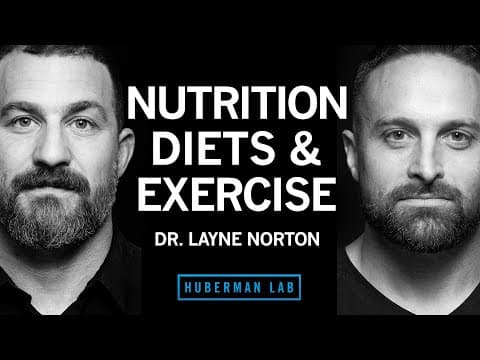
In this comprehensive discussion, Dr. Layne Norton shares insights on nutrition, exercise, and the science behind weight loss and muscle gain. Key topics include energy balance, the role of protein, the impact of artificial sweeteners, and the importance of gut health. Dr. Norton emphasizes the significance of understanding individual dietary needs and the psychological aspects of eating, while also addressing common misconceptions about various diets and supplements.
In this episode of the Huberman Lab podcast, Andrew Huberman welcomes Dr. Layne Norton, a leading expert in protein metabolism, fat loss, and nutrition. Dr. Norton shares his extensive knowledge on how our diet and exercise impact body composition and overall health. This discussion covers a wide range of topics, including energy balance, artificial sweeteners, gut health, fasting, protein requirements, and various diets.
Energy balance refers to the relationship between the calories consumed through food and beverages and the calories expended through physical activity and metabolic processes. Dr. Norton explains that while the concept of "calories in, calories out" seems simple, the underlying mechanisms are complex.
A calorie is a unit of energy, specifically heat energy. When we consume food, we extract energy from the macronutrients (carbohydrates, proteins, and fats) through digestion and metabolism, primarily producing ATP (adenosine triphosphate), the body's energy currency.
Dr. Norton emphasizes the challenges in accurately tracking energy intake due to potential errors in food labeling and individual differences in metabolism. He also discusses the components of energy expenditure:
Dr. Norton clarifies the protein requirements for individuals based on their activity levels and goals. He suggests that most people should aim for around 1.6 grams of protein per kilogram of body weight, with higher amounts potentially beneficial for those engaged in intense training.
Protein has a higher thermic effect compared to fats and carbohydrates, meaning it requires more energy to digest. Additionally, protein is more satiating, helping individuals feel fuller for longer. Dr. Norton notes that the source of protein matters; whole food sources like chicken breast are more satiating than processed protein bars.
The discussion shifts to artificial sweeteners, which have been a topic of controversy. Dr. Norton explains that while some studies suggest potential negative effects on gut health and metabolism, the overall consensus is that replacing sugar-sweetened beverages with artificially sweetened options can lead to weight loss and improved health markers.
Recent studies indicate that artificial sweeteners may not be metabolically inert. For example, a study showed that sucralose consumption could lead to changes in gut microbiota and a transient increase in blood glucose levels. However, Dr. Norton emphasizes that these effects are not significant enough to outweigh the benefits of reducing sugar intake.
Dr. Norton discusses the gut microbiome's role in metabolism and health. He highlights that a diverse microbiome is generally associated with better health outcomes. Fiber intake is crucial for maintaining gut health, as it serves as a prebiotic that feeds beneficial gut bacteria.
Fiber not only aids digestion but also contributes to feelings of fullness and can help regulate blood sugar levels. Dr. Norton recommends aiming for at least 30-50 grams of fiber per day for optimal health.
Dr. Norton advocates for creatine monohydrate as one of the most researched and effective supplements for enhancing athletic performance and muscle growth. He explains that creatine can improve recovery and increase lean mass, making it beneficial for both athletes and casual gym-goers.
Rhodiola rosea is another supplement discussed, known for its potential to reduce fatigue and improve cognitive function. While more research is needed, Dr. Norton finds it promising, especially when combined with caffeine.
Dr. Layne Norton provides valuable insights into the science of nutrition and fitness, emphasizing the importance of understanding individual needs and the psychological aspects of eating. He encourages listeners to focus on whole, minimally processed foods while being mindful of their overall energy balance. By incorporating these principles, individuals can achieve their health and fitness goals more effectively.
This discussion highlights the complexity of nutrition and the need for a nuanced approach to diet and exercise. Dr. Norton’s expertise and practical advice offer a roadmap for those looking to improve their health and body composition.