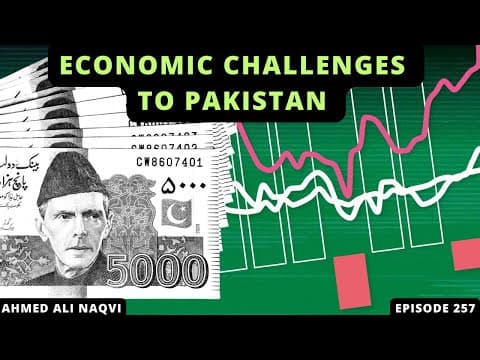
Pakistan is currently grappling with a significant economic crisis that has raised concerns about its financial stability. This blog post aims to provide a comprehensive analysis of the economic challenges facing Pakistan, exploring both short-term and long-term causes, as well as potential solutions to address these issues.
Current Economic Situation
The economic crisis in Pakistan has been exacerbated by various factors, leading to a heated debate about the risk of default. Recent claims from former government officials suggest that the risk of default is increasing, while current government representatives argue otherwise. Regardless, the ongoing discussions highlight the precarious state of Pakistan's economy.
Key Economic Indicators
Several economic indicators illustrate the severity of the crisis:
- Declining Foreign Exchange Reserves: Pakistan's foreign exchange reserves have plummeted to less than $7 billion, raising alarm about the country's financial health.
- High Inflation Rates: The annual inflation rate is projected to exceed 23%, driven by rising energy prices and other economic pressures.
- Stagnant Remittances: Remittances have significantly decreased compared to the previous year, further straining the economy.
- Energy Crisis: The country is experiencing severe energy shortages, particularly in gas supply, which has worsened compared to previous years.
Causes of the Economic Crisis
The causes of Pakistan's economic crisis can be categorized into short-term and long-term factors.
Short-Term Causes
- Political Instability: Since 2016, Pakistan has faced political turmoil, including changes in government and ongoing political disputes, which have hindered effective governance and economic management.
- International Factors: The global economic landscape has shifted post-COVID-19, with rising energy prices and inflation affecting Pakistan's economy. Additionally, the ongoing conflict in Ukraine has further strained economic conditions.
- Energy Crisis: The energy sector is in disarray, with high energy prices and low supply, particularly of gas, impacting industrial productivity and economic growth.
- Security Concerns: The deteriorating security situation, particularly following the Taliban's resurgence in Afghanistan, has led to decreased investor confidence and reluctance to invest in Pakistan.
Long-Term Causes
- Historical Economic Instability: Pakistan has a history of economic crises, often linked to political instability and poor governance.
- Lack of Policy Continuity: Frequent changes in government have resulted in inconsistent economic policies, undermining investor confidence and economic stability.
- Structural Reforms: There has been a lack of necessary structural reforms in key sectors, particularly in state-owned enterprises, which continue to incur losses without significant improvements.
- Corruption: Corruption remains a pervasive issue, affecting decision-making processes and leading to poor economic management.
- Underutilization of Human Resources: Despite having a large youth population, Pakistan has failed to invest adequately in education and skill development, limiting economic growth potential.
Potential Solutions
To address the economic crisis, both short-term and long-term solutions are necessary.
Short-Term Solutions
- Engagement with the IMF: Continuation of negotiations with the International Monetary Fund (IMF) is crucial for securing financial assistance and stabilizing the economy.
- Restructuring Foreign Loans: Pakistan should consider restructuring its foreign loans to alleviate immediate financial pressures.
- Import Controls: Implementing measures to control imports can help stabilize foreign currency reserves and improve the balance of payments.
- Combating Currency Smuggling: Addressing the gap between interbank and open market rates is essential to prevent currency smuggling and stabilize the economy.
- Seeking Financial Assistance: Pakistan should continue to seek financial support from friendly nations to navigate the current crisis.
Long-Term Solutions
- Structural Reforms: Implementing comprehensive structural reforms in key sectors, particularly in energy and public enterprises, is essential for sustainable economic growth.
- Political Stability: Achieving political stability through consistent policies and governance is critical for fostering a conducive environment for investment.
- Investment in Human Capital: Focusing on education and skill development for the youth can harness the potential of Pakistan's demographic dividend.
- Encouraging Foreign Investment: Creating an attractive environment for foreign investors by reducing corruption and improving security can help revitalize the economy.
Conclusion
The economic challenges facing Pakistan are not new; they are deeply rooted in historical issues of governance, policy inconsistency, and structural deficiencies. While short-term measures can provide temporary relief, sustainable solutions require a commitment to long-term reforms and political stability. Without addressing these chronic problems, Pakistan risks facing even more severe economic crises in the future. The path forward must involve collaboration between political leaders and economic managers to ensure that the economy is guided by sound economic principles rather than political interests.