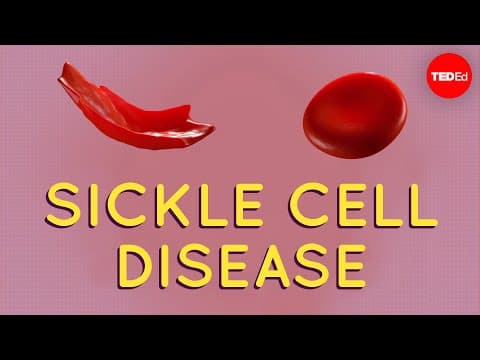
Sickle-cell disease, caused by a genetic mutation affecting hemoglobin, transforms red blood cells into rigid sickle shapes, leading to severe health complications. Originally an adaptation against malaria, this mutation now poses significant health risks, but advancements in treatment are improving patient outcomes.
What shape are your cells? Squishy cylinders? Jagged zig-zags? While we may not often think about the microscopic structure of our cells, small changes can lead to significant consequences. This is particularly true for sickle-cell disease, a condition that dramatically alters the shape of red blood cells and leads to a cascade of health complications.
Red blood cells are essential for transporting oxygen from the lungs to tissues throughout the body. They are filled with hemoglobin proteins that carry oxygen molecules. These proteins float independently within the red blood cell's pliable, doughnut-like shape, allowing the cells to remain flexible enough to navigate even the tiniest blood vessels.
In sickle-cell disease, a single genetic mutation alters the structure of hemoglobin. After these mutated proteins release oxygen to tissues, they lock together into rigid rows, forming rods of hemoglobin. This structural change causes the red blood cells to deform into long, pointed sickle shapes. As a result, these sickled cells become harder and stickier, disrupting their ability to flow smoothly through blood vessels.
The sickled cells can snag and pile up, sometimes completely blocking blood vessels. This blockage prevents oxygen from reaching various cells, leading to a wide range of symptoms experienced by individuals with sickle-cell disease.
Additionally, sickled red blood cells have a significantly shorter lifespan, surviving only 10 to 20 days compared to a healthy cell's lifespan of about four months. This leads to a constant depletion of red blood cells, resulting in a condition known as sickle-cell anemia.
Interestingly, the sickle cell mutation, which causes such debilitating health issues, originally evolved as a beneficial adaptation. Researchers trace the origins of this mutation to regions historically affected by malaria, a tropical disease spread by parasites in local mosquitoes.
Malaria uses red blood cells as incubators to spread throughout the bloodstream. However, the same structural changes that cause red blood cells to become sickled also confer increased resistance to malaria. If a child inherits the mutation from only one parent, they may have just enough abnormal hemoglobin to hinder the malaria parasite while most of their red blood cells remain normal.
In regions where malaria is prevalent, this mutation provided a significant evolutionary advantage. However, inheriting the mutation from both parents results in sickle-cell anemia. Today, most individuals with sickle-cell disease can trace their ancestry to malaria-endemic countries, particularly in Africa, where over 90% of malaria infections occur worldwide.
As the sickle cell mutation continues to thrive, treatment options for sickle-cell disease are also improving. For many years, hydroxyurea was the only medication available to reduce the amount of sickling, alleviating symptoms and increasing life expectancy.
Bone marrow transplantation offers a potential cure, but these procedures are complex and often inaccessible. Fortunately, new medications are emerging that intervene in innovative ways, such as:
Moreover, advancements in DNA editing technology raise the possibility of enabling stem cells to produce normal hemoglobin. As these treatments become more accessible in regions most affected by malaria and sickle-cell disease, there is hope for improving the quality of life for many patients living with this challenging condition.
Sickle-cell disease exemplifies how a single genetic mutation can have profound effects on health and well-being. While it originally provided a survival advantage against malaria, the consequences of this mutation can be severe. However, ongoing research and advancements in treatment offer hope for better management and improved outcomes for those affected by this disease.