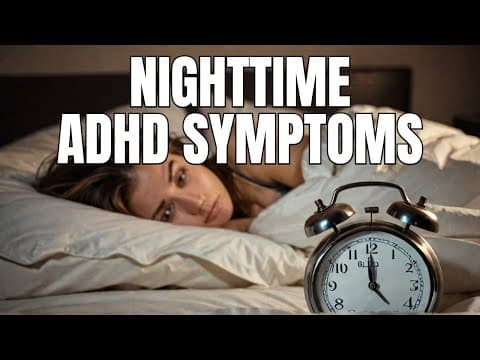
This blog post explores the connection between sleep problems and ADHD, highlighting three key signs: sleep resistance, uncontrollable sleep during boring activities, and irregular sleep schedules. It offers insights into the experiences of individuals with ADHD and autism, and provides practical strategies for improving sleep quality.
Sleep problems can often be misunderstood, leading individuals to feel lazy or broken. However, for many, these issues may stem from having an interest-based brain, which is commonly associated with ADHD or being on the autism spectrum. This article delves into the connection between sleep patterns and ADHD, highlighting three significant signs that may indicate the presence of ADHD.
Approximately 5% of the U.S. population is diagnosed with ADHD, but this number may be much higher when considering undiagnosed children and adults, particularly in minority groups. This suggests that millions of people are grappling with sleep issues related to ADHD, and they are not alone.
One of the most common sleep problems is sleep resistance, often referred to as revenge bedtime procrastination. This phenomenon occurs when individuals prefer to stay awake to engage in enjoyable activities rather than sleep.
Many people, including myself, have experienced this resistance from childhood. As a child, I would scream and cry at bedtime, and as a teenager, I often lay awake for extended periods, imagining fun scenarios instead of sleeping. As an adult, a 2:00 a.m. bedtime became the norm, especially while working in a flexible startup environment.
As a parent of two neurodivergent children, I now recognize this behavior as a common trait among those with ADHD. The desire to reclaim personal time after a day filled with responsibilities often leads to delaying sleep. This is a time when individuals can finally engage in activities without external demands.
This resistance can manifest in various ways, including experiencing frightening images just before falling asleep. I learned to confront these images, which helped alleviate my fear and resistance to sleep. Understanding this behavior in children can also help parents address similar issues.
Another sign of ADHD is the tendency to fall asleep uncontrollably during uninteresting activities, such as lectures or meetings. This phenomenon is not due to a lack of willpower but rather an interest-based brain that shuts down when faced with topics that do not engage it.
In high school, I consistently fell asleep in history class, not because I disliked the teacher, but because the subject matter did not resonate with me. Conversely, I thrived in a university course focused on peace movements, where I remained engaged and alert. This stark contrast illustrates how interest can significantly impact attention and alertness.
Individuals with ADHD often have different circadian rhythms, leading to difficulties in maintaining regular sleep schedules. This can result in going to bed or waking up late, regardless of efforts to change these habits.
To combat sleep issues, several strategies can be implemented:
The impact of sleep deprivation on individuals with ADHD and autism can be profound. Research indicates that sleep problems can exacerbate ADHD symptoms, leading to increased irritability, difficulty in self-regulation, and even parental burnout.
Understanding the connection between sleep patterns and ADHD is crucial for those who experience these challenges. By recognizing the signs and implementing effective strategies, individuals can improve their sleep quality and overall well-being. If you or someone you know struggles with sleep issues related to ADHD, consider exploring personalized strategies to address these challenges. Remember, you are not alone, and there are resources available to help you navigate this journey.