This blog post explores the concept of solutions, detailing the roles of solutes and solvents, their importance in biological processes, and examples of how they function in our daily lives.
Solutions are a fundamental concept in chemistry and play a crucial role in various biological and environmental processes. This post delves into what solutions are, the roles of solutes and solvents, and their significance in our daily lives.
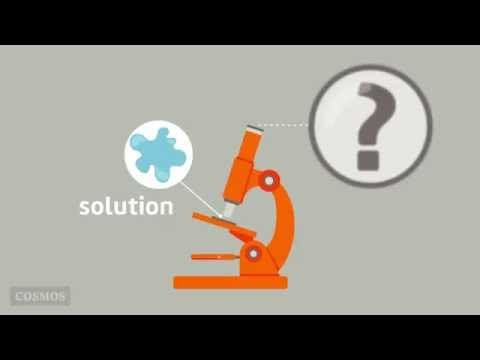
A solution is a mixture where the particles of the substances involved are so small that they cannot be seen, even under a microscope. This characteristic makes solutions distinct from other types of mixtures, where larger particles may be visible.
In a solution, two main components are involved:
To illustrate, when sugar is dissolved in water, we say that sugar is soluble in water. However, sugar does not dissolve in all liquids; for instance, it is insoluble in oil. This property of solubility varies among different substances and solvents.
Water is often referred to as the universal solvent due to its ability to dissolve a wide variety of substances. This property is vital for life on Earth. Here are a few examples of how water's solvent capabilities are essential:
In addition to solids, some gases can also dissolve in water. This phenomenon is particularly important for aquatic life. For example:
In summary, solutions are a type of mixture that consists of solutes and solvents, and they are indispensable in both biological systems and everyday life. Understanding the roles of solutes and solvents helps us appreciate the complexity of processes such as digestion, respiration, and even the construction of shells by marine organisms. Solutions are not just a scientific concept; they are a vital part of the world around us, enabling life as we know it.