The 808 bass originated from the Roland 808 drum machine in the 1980s, initially used for drum rhythms. Today, its distinctive kick drum sound is repurposed as a bass instrument in popular music, often pitched and manipulated for melodic and sliding effects. This article explores the history, sound characteristics, and modern production techniques of the 808 bass.
The 808 bass is a fundamental element in modern popular music, known for its deep, punchy sound that drives many tracks across genres. But what exactly is an 808 bass, and where did it come from? This article delves into the origins of the 808, its evolution, and how it is used in music production today.
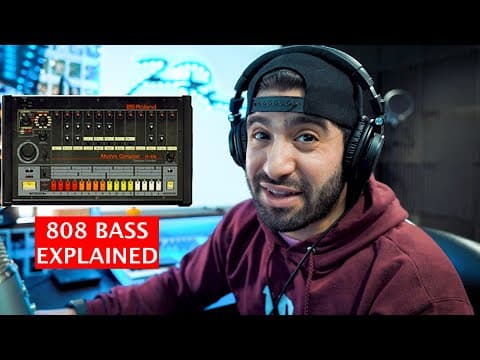
The term "808" originally refers to the Roland TR-808 Rhythm Composer, a drum machine created by Roland in the late 1970s and popularized in the 1980s. This drum machine allowed musicians and producers to program drum patterns using various sounds such as kick drums, hi-hats, and snares.
A drum machine is an electronic instrument designed to imitate the sound of drums and percussion. The Roland 808 was revolutionary because it allowed users to assign different drum sounds to specific pads and sequence rhythms with precision.
The 808's kick drum sound is particularly notable for its deep, resonant tone. Unlike acoustic drums, the 808 kick can be tuned and manipulated to create unique sounds. This distinctiveness made it a staple in many music genres.
While the original purpose of the 808 was to create drum rhythms, its kick drum sound has been repurposed in contemporary music production.
Producers discovered that by extending the release time of the 808 kick drum sound, it transforms into a sustained bass note. This technique allows the 808 kick to function as a bass instrument rather than just a percussive element.
One of the key features of the modern 808 bass is the ability to pitch the sound. By changing the pitch, producers can create melodic bass lines that complement the harmony of a track.
Another popular technique is the pitch slide, where the 808 bass note glides smoothly from one pitch to another. This sliding effect adds a dynamic and expressive quality to the bass line, making it sound "fat" and engaging.
To make the 808 bass more punchy, producers often layer the original kick drum sound with the bass. This layering emphasizes the attack of the sound, making it more impactful.
Applying effects like bitcrushing or distortion can add grit and character to the 808 bass. Bitcrushing reduces the sample rate, creating a crunchy texture, while distortion adds harmonic saturation and warmth.
Modifying the envelope settings, such as increasing the attack time, can soften the initial hit of the 808 bass. This results in a swelling effect rather than a sharp attack, which can be desirable depending on the musical context.
The 808 bass has evolved from its origins as a drum machine kick drum into a versatile and iconic bass sound in modern music. Its unique tonal qualities and adaptability have made it a favorite among producers for creating deep, melodic, and expressive bass lines.
Understanding the history and production techniques of the 808 bass can help musicians and producers harness its full potential in their music.
The journey of the 808 bass from a simple drum machine to a cornerstone of contemporary music exemplifies how technology and creativity intersect in music production. Whether you're a musician, producer, or enthusiast, appreciating the 808's role enriches your understanding of modern sound design.
Feel free to explore and experiment with 808 sounds in your own music to discover the endless possibilities this iconic instrument offers.