Conspiracy theories thrive on illusory pattern perception, where individuals see connections and patterns that do not exist. This tendency is influenced by a desire for certainty, especially in complex or threatening situations. Factors such as prior belief in conspiracy theories, political extremism, and education levels also play significant roles in shaping these beliefs.
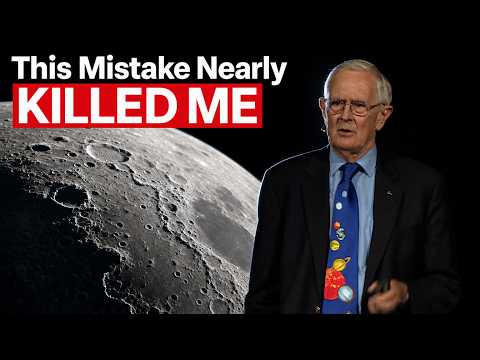
Conspiracy theories have become a prevalent part of modern discourse, with many individuals questioning established facts. A notable example is the belief that the moon landing was staged, fueled by claims such as reflections on an astronaut's visor or the American flag appearing to wave in a vacuum. While some conspiracy theories have been proven true, like Watergate and the CIA's experiments with LSD, many others are far-fetched, such as the belief in a flat Earth or government cover-ups of UFOs.
The rise of the internet has accelerated the spread of conspiracy theories, exposing more people to these ideas than ever before. Research indicates that belief in conspiracy theories can lead to detrimental behaviors, such as decreased political engagement, reluctance to vaccinate children, and a lack of action towards reducing carbon footprints. Understanding the psychology behind these beliefs is crucial in addressing their influence.
Psychologists have conducted extensive research to uncover why individuals cling to conspiracy theories, even when faced with compelling evidence to the contrary. A significant hypothesis is illusory pattern perception, which refers to our innate tendency to perceive patterns where none exist. This cognitive bias may have evolved as a survival mechanism, helping our ancestors identify resources and avoid dangers.
Numerous studies support the idea that humans are predisposed to see patterns. For instance, gamblers often perceive winning streaks in random games, and a 1997 study demonstrated that people are more likely to label sequences of symbols as random based on how easily they can mentally process them.
A 2017 study published in the European Journal of Social Psychology explored this phenomenon in relation to conspiracy theories. Researchers conducted five experiments with 200-400 participants each, revealing that individuals who identified patterns in random coin flips were more inclined to believe in fabricated conspiracy theories. Additionally, those who perceived non-existent patterns in chaotic modern art were also more likely to endorse conspiracy beliefs.
One of the driving forces behind belief in conspiracy theories is the human aversion to uncertainty. Studies consistently show that people prefer predictable and controllable events. When faced with complex or distressing situations, individuals may turn to conspiracy theories as a means of making sense of the chaos. For example, the assassination of a prominent figure may prompt a search for elaborate explanations rather than accepting a simpler narrative.
While anyone can fall prey to illusory pattern perception, certain factors increase the likelihood of believing in conspiracy theories:
Understanding the psychological mechanisms behind conspiracy theories can inform strategies to counteract their spread. By fostering a sense of control and reducing uncertainty in people's lives, it may be possible to diminish the appeal of conspiracy theories.
Conspiracy theories are a complex interplay of cognitive biases, emotional responses, and social influences. As we navigate an increasingly complex world, recognizing the factors that contribute to these beliefs can help us address their impact on society. By promoting critical thinking and providing individuals with a sense of agency, we can work towards a more informed public discourse.