Dr. Catherine King discusses the concept of cell danger response and its implications for healing trauma and illness. She emphasizes the importance of processing emotional trauma to signal safety to the body, which can help in overcoming chronic health issues. The interplay between the mind and body is crucial in understanding how trauma affects physical health, and adopting a conscious approach to healing can lead to significant improvements.
In a recent discussion, Dr. Catherine King delves into the intricate relationship between trauma and physical illness, drawing on the theory of cell danger response introduced by Robert Navio. This theory posits that when the body encounters a pathogen or experiences trauma—be it physical or emotional—cells enter a protective state known as the cell danger response. This response is a survival mechanism where cells hunker down to protect themselves from perceived threats.
When trauma occurs, whether from an external pathogen or internal emotional distress, cells communicate with one another to initiate a protective response. This is a normal reaction; however, if the body remains in this protective state for too long, it can lead to chronic health issues. Dr. King explains that the immune system is activated to clean up the aftermath of trauma, but if the signal indicating that the threat has passed is not sent, the body remains in a state of danger. This prolonged state can manifest as conditions like long COVID, chronic Lyme disease, or mold toxicity.
Dr. King emphasizes that unresolved trauma can keep the body stuck in a cell danger response. The challenge lies in sending a signal of safety to the body, which can often be achieved through trauma processing. By addressing emotional wounds, individuals can begin to shift their physiological state from one of protection to one of healing and thriving.
Healing trauma is not just about addressing emotional pain; it is also about recognizing how these emotional experiences can affect physical health. Dr. King notes that many people may not realize that their emotional state can significantly impact their immune system and overall health. For instance, relationship disharmony and attachment wounds can be precursors to physical illness, highlighting the need for emotional healing as part of a comprehensive health strategy.
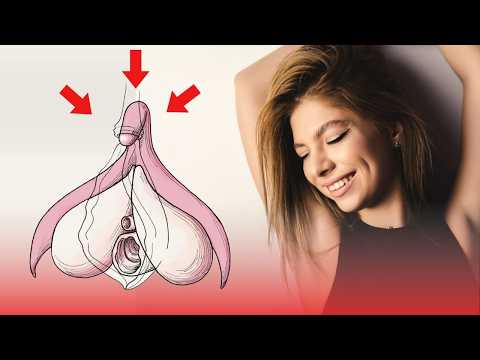
Another critical aspect of healing discussed by Dr. King is the importance of healthy intimate relationships. Engaging in meaningful connections and nurturing one’s sensuality and sexuality can enhance immune function and support detoxification processes. This holistic approach underscores the interconnectedness of emotional, physical, and relational health.
Dr. King introduces the concept of psychoneuroimmunology, a field that studies the relationship between the mind, immune system, and nervous system. This emerging science reveals how stress and emotions can trigger immune responses similar to those caused by pathogens. Understanding this connection is vital for individuals dealing with chronic symptoms, as it suggests that emotional healing can lead to physical improvements.
A fascinating point raised by Dr. King is how the brain can become addicted to worry. This addiction stems from the brain's need for certainty; by worrying, individuals create a sense of control over uncertain situations. However, this cycle can be detrimental to health. Dr. King advocates for embracing uncertainty and learning to respond to life’s challenges without the need for constant worry. This shift can lead to a reduction in suffering and an increase in peace and presence.
The discussion culminates in the existential question of whether surrendering to the unknown is more beneficial than fighting against known challenges. Dr. King suggests that many spiritual and philosophical teachings encourage this surrender as a means to alleviate suffering. By accepting what is and letting go of resistance, individuals can create space for love, peace, and a more fulfilling human experience.
Dr. Catherine King's insights provide a profound understanding of how trauma influences physical health. By recognizing the importance of emotional healing and the mind-body connection, individuals can take empowered steps toward recovery. The journey involves not only addressing physical symptoms but also engaging in emotional processing and fostering healthy relationships. Ultimately, embracing uncertainty and surrendering to the flow of life can lead to a more peaceful and healthier existence.