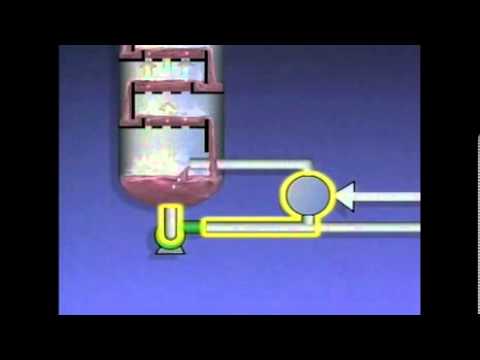
This blog post provides an in-depth overview of the crude oil distillation process, detailing the components, operation, and importance of temperature and pressure control in distillation systems.
Distillation systems are crucial components in many process plants, particularly in the refining of crude oil. Operators must have a solid understanding of how these systems function to ensure optimal performance. This post will explore the distillation process, its components, and the significance of temperature and pressure control.
The primary purpose of a distillation system is to separate a liquid mixture into two or more components. This separation occurs in a distillation column or tower, where the liquid mixture, referred to as the feed or charge, is transformed into distinct cuts or fractions.
Distillation is often referred to as fractional distillation or fractionation. This process occurs at different levels within the tower, allowing for the separation of components based on their boiling points.
The distillation tower consists of several trays or packing materials that facilitate the separation process:
Achieving pure products in distillation is challenging due to overlap, where lighter products may contain heavier fractions and vice versa. Two primary methods to enhance purity are:
Temperature is a critical factor in the distillation process. Correct temperatures are necessary to vaporize lighter components while minimizing the vaporization of heavier components. Key temperature points include:
The temperature gradient, which is the difference between the bottom and top temperatures of the tower, must be maintained for effective separation. This gradient is crucial for ensuring that lighter components rise while heavier components descend.
Pressure also plays a vital role in distillation, affecting the boiling points of liquids. Key aspects of pressure control include:
Changes in differential pressure can signal potential problems, such as:
Understanding the distillation process is essential for operators in the crude oil refining industry. By mastering the components, operation, and the critical roles of temperature and pressure, operators can ensure the efficiency and effectiveness of distillation systems. This knowledge not only aids in producing high-quality products but also enhances overall plant performance.