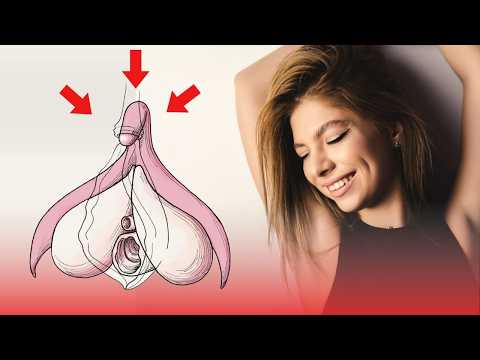
This article explores the lesser-known deep internal zone of the female reproductive system, called the anterior fornix erogenous zone. It explains its anatomical location, nerve connections, physiological responses, and medical significance, especially for women experiencing vaginal dryness. The article also clarifies common misconceptions and highlights individual anatomical variations.
Most men are familiar with one sensitive area inside the female reproductive system, but there exists a second, much deeper zone that is rarely discussed. This deeper zone has a distinct anatomical function, nerve connection, and produces a different physiological response compared to the more commonly known area. In this article, we will explore the deep internal anatomy of the female reproductive system, focusing on where these zones are located, how they differ medically, and what current research reveals about their functions.
The female reproductive system contains multiple sensitive zones, each with different anatomical functions. The first zone is located approximately 1 to 3 inches inside the vaginal canal on the front wall closest to the lower abdomen. This is the more familiar zone to most people.
The second zone, which is the focus here, is located much deeper inside the body. Anatomically, it is called the anterior fornix erogenous zone. The term "anterior" means front, and "fornix" refers to the small pockets that form around the cervix at the deep end of the vaginal canal. This zone is the front pocket near the cervix, approximately 4 to 6 inches inside the body.
These two zones differ in several important medical ways:
Depth: The first zone is shallow, while the second zone is deep inside the vaginal canal.
Sensation: The first zone produces a sharper, more localized response. The second zone produces a slower, deeper, and more diffuse physiological response.
Nerve Connection: The first zone is connected to nerves linked to the internal structures of the external pleasure organ. The second zone connects to deeper pelvic nerves with a different signaling pathway.
Pressure Response: The first zone responds to firm, repetitive pressure. The second zone responds to slow, rolling pressure.
Lubrication Trigger: The second zone has been studied for its potential to activate natural lubrication production, which is medically significant for women experiencing dryness, especially after menopause.
Research, including a peer-reviewed paper by Chua Chee Ann, has examined this deeper zone in detail. The findings suggest that gentle pressure in this area can trigger natural lubrication. This is particularly valuable for women experiencing vaginal dryness due to age or hormonal changes.
This discovery has led to increased interest in modern sexual health medicine regarding this area. For postmenopausal women, stimulating this zone may offer a non-pharmaceutical method to support natural lubrication function.
It is important to understand that female reproductive anatomy is highly individual. Internal structures vary slightly between women, and not every woman will have the same response to stimulation in either zone. This biological variation is normal and expected.
For couples interested in supporting natural lubrication in older women, understanding this anatomy provides a useful medical perspective. Combined with evidence-based approaches such as staying hydrated, engaging in regular gentle activity, and using quality lubricants when needed, women can maintain healthy reproductive function throughout their lives.
One important medical point is that the deeper zone is sometimes confused with the phenomenon of fluid release during climax. These are two separate physiological events. The deeper zone is an anatomical area, while fluid release involves glandular functions from different glands entirely.
Mixing these two up is a common misunderstanding. Understanding the distinction helps clarify the functions and responses of the female reproductive system.
The deeper zone is only reachable when the vaginal canal is fully relaxed and elongated, which is part of the normal arousal response. Outside of full arousal, this zone is not easily accessible. This is a matter of medical biology rather than technique.
If you found this medical anatomy lesson helpful in understanding the female reproductive system more clearly, consider exploring more science-based health content. Understanding these biological details can empower better health and intimacy experiences.
Take care of yourselves and continue learning about the fascinating complexities of human anatomy.