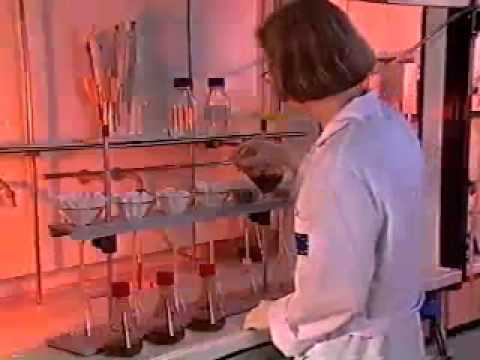
This blog post provides a comprehensive overview of the methods used for the determination of aflatoxins in feedstuff, emphasizing laboratory safety, analytical techniques, and the importance of mycotoxin regulation in food safety.
Aflatoxins are toxic metabolites produced by certain molds, particularly Aspergillus flavus and Aspergillus parasiticus. These compounds pose significant health risks to both humans and animals, especially when they contaminate food and feedstuff. This blog post delves into the methods for determining aflatoxins in feedstuff, highlighting critical aspects necessary for achieving accurate and reproducible results.
Aflatoxins can be found in a variety of food products and animal feed, including cereals, maize, groundnuts, and cottonseed. Their presence in animal feed is particularly concerning as they can transfer into dairy products, affecting human health. Due to their toxicity, aflatoxins are regulated in over 50 countries, necessitating validated methods for their analysis to ensure food safety and compliance with trading standards.
When working with mycotoxins, it is crucial to adhere to strict laboratory safety protocols. Key precautions include:
These precautions are essential to minimize exposure to hazardous substances during the analytical process.
The determination of aflatoxin B1 in feedstuff involves several steps, including extraction, cleanup, and analysis. The method described here is based on the latest techniques developed by the German VDL UFA and has not been previously applied in this form to feedstuff.
The immunoaffinity column is a critical component of the analysis, containing antibodies specific to aflatoxin B1. The process includes:
After elution, the aflatoxin B1 solution is prepared for HPLC analysis:
The HPLC analysis should yield a well-resolved peak for aflatoxin B1, free from other components. Automated systems, such as the ASP EC system, can be utilized as long as the analytical protocol remains unchanged.
The determination of aflatoxins in feedstuff is a complex but essential process for ensuring food safety. By following the outlined methods and safety precautions, laboratories can achieve accurate and reproducible results. For further details, it is recommended to refer to the printed method description that accompanies this overview.